Why Millions Are Searching for Turmeric Benefits Right Now
Have you ever wondered why your grandmother swore by that bright yellow spice in her curry? Therefore, you’re not alone — searches for turmeric benefits have exploded across Google, with millions of people hunting for natural ways to ease joint pain, improve memory, and fight inflammation. However, before you rush to the supplement aisle, you deserve the full picture: what’s real, what’s hype, and how to actually make turmeric work for your body.
Because turmeric contains curcumin — its most powerful active compound — researchers have spent decades studying its effects on everything from arthritis to heart disease. Consequently, this guide breaks down the most searched-for turmeric benefits using evidence from clinical trials, expert medical sources, and real-world applications. Additionally, you’ll learn practical tips to boost absorption (spoiler: black pepper is your best friend) and when to talk to your doctor first.
What Is Turmeric, and Why Does It Matter?
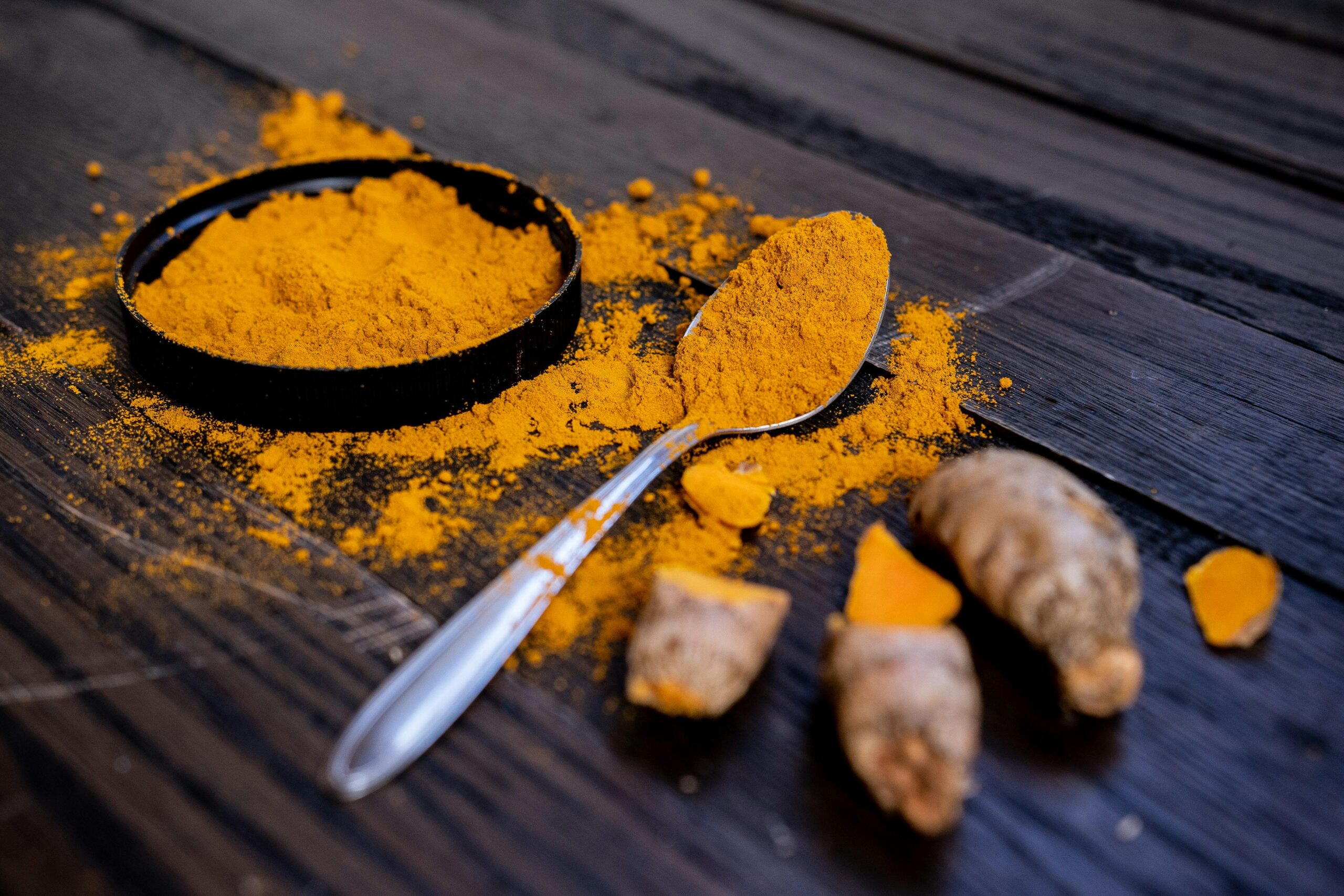
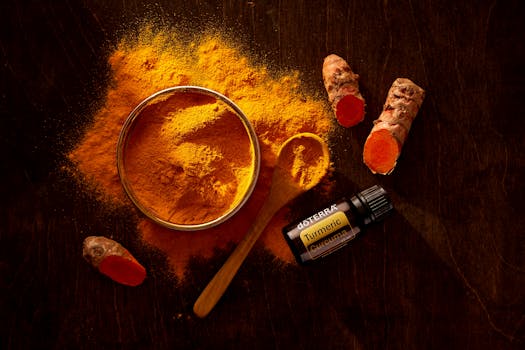
Turmeric is a flowering plant from the ginger family, scientifically known as Curcuma longa. Its underground stems, or rhizomes, are dried and ground into the vivid golden powder you recognize from curries, golden milk lattes, and wellness shots. Moreover, turmeric has been a cornerstone of Ayurvedic and traditional Chinese medicine for thousands of years.
The real magic behind turmeric benefits lies in curcuminoids — a group of bioactive compounds, with curcumin being the star player. Although curcumin makes up only about 3% of turmeric by weight, it delivers the majority of the spice’s anti-inflammatory and antioxidant power. Nevertheless, there’s a catch: curcumin is notoriously difficult for your body to absorb on its own. Therefore, pairing turmeric with black pepper (which contains piperine) can increase absorption by up to 2,000%.
You May Also Like: The Smoothie Diet: Lose Weight Fast in 21 Days
1. Turmeric Benefits for Inflammation and Joint Health
How Turmeric Fights Chronic Inflammation
One of the most searched turmeric benefits is its ability to combat inflammation. Inflammation is your body’s natural defense mechanism, but when it becomes chronic, it can silently damage your joints, gut, and even your heart. Curcumin blocks inflammatory pathways at the molecular level, specifically targeting NF-κB — a molecule that turns on genes related to inflammation.
According to the Arthritis Foundation, curcumin reduces osteoarthritis pain and inflammation as effectively as nonsteroidal anti-inflammatory drugs (NSAIDs) like ibuprofen. Furthermore, a randomized clinical trial involving knee osteoarthritis patients found that turmeric extract performed comparably to ibuprofen for pain relief — while producing fewer stomach side effects.
Turmeric Benefits for Arthritis and Mobility
If you wake up with stiff knees or aching fingers, turmeric benefits may offer genuine relief. Research suggests curcumin may also reduce bone loss in people with rheumatoid arthritis. However, while the results are promising, more large-scale human trials are needed to confirm optimal dosages. Therefore, if you currently take blood thinners or NSAIDs, consult your healthcare provider before adding high-dose turmeric supplements to your routine.
2.Turmeric Benefits for Brain Health and Memory
Can Turmeric Really Boost Your Memory?
Another top Google search around turmeric benefits focuses on brain health. A landmark 2018 study published in the American Journal of Geriatric Psychiatry showed that 90 milligrams of curcumin taken twice daily for 18 months improved memory performance in adults without dementia. Researchers attributed this to curcumin’s ability to reduce brain inflammation and its powerful antioxidant properties.
Additionally, curcumin may increase levels of brain-derived neurotrophic factor (BDNF) — a growth hormone that functions in your brain. Low levels of BDNF are linked to depression and Alzheimer’s disease. Therefore, by boosting BDNF, turmeric benefits could potentially delay or even reverse age-related decreases in brain function, though more human studies are needed.
Turmeric and Mood: A Natural Antidepressant?
Curcumin has shown promise in easing symptoms of depression and anxiety. In one study, curcumin was found to be as effective as Prozac for reducing depressive symptoms. Moreover, it appears to boost serotonin and dopamine — your brain’s feel-good chemicals — while simultaneously reducing inflammation, which is increasingly linked to mental health disorders.
Important: Turmeric is not a replacement for therapy or prescribed medication. Therefore, always discuss mental health treatment options with a qualified healthcare professional.
3. Turmeric Benefits for Heart Health
Protecting Your Cardiovascular System
Heart disease remains the leading cause of death worldwide, so it’s no surprise that turmeric benefits for heart health rank among the most popular searches. Curcumin may improve the function of your blood vessel lining, called the endothelium. Additionally, it helps reduce inflammation and oxidation — two major drivers of heart disease.
In a compelling 2012 study, 121 people undergoing coronary artery bypass surgery took 4 grams of curcumin daily before and after their procedure. Remarkably, this group experienced a 65% decreased risk of having a heart attack in the hospital compared to the placebo group. Furthermore, curcumin may help balance cholesterol levels by lowering LDL (“bad”) cholesterol and triglycerides.
4. Turmeric Benefits for Blood Sugar and Diabetes Prevention
Can Turmeric Help Prevent Type 2 Diabetes?
Searches for turmeric benefits related to diabetes are surging, and the science is genuinely exciting. A landmark 9-month study followed 240 adults with prediabetes. The results? 16.4% of the placebo group developed Type 2 diabetes, while none in the curcumin-treated group did. Additionally, curcumin supplementation significantly reduced fasting blood glucose, HbA1c levels, and insulin resistance.
However, these studies used concentrated curcumin supplements — not the turmeric powder in your spice rack. Therefore, while adding turmeric to meals supports overall metabolic health, it should not replace diabetes medication or medical supervision.
5. Turmeric Benefits for Digestion and Gut Health
Soothing Your Stomach Naturally
Turmeric has been used for centuries to treat digestive disorders, and modern research is catching up. A recent study compared curcumin to omeprazole (a common acid-reducing drug) for treating indigestion. Surprisingly, patients had similar improvements whether they took curcumin, omeprazole, or a combination of both.
Moreover, turmeric may benefit people with inflammatory bowel disease (IBD). For instance, a 2016 study found that ulcerative colitis patients who took 2 grams of curcumin daily alongside prescription medication were more likely to stay in remission than those taking medication alone. Consequently, turmeric benefits extend to gut microbiome support, with research showing that curry containing just 0.5 grams of turmeric increased beneficial hydrogen-producing gut bacteria.
6. Turmeric Benefits for Skin Health and Anti-Aging
Fighting Free Radicals and Aging
Oxidative damage from free radicals is believed to be a major cause of aging and many chronic diseases. Fortunately, curcumin is a potent antioxidant that neutralizes free radicals directly while also stimulating your body’s own antioxidant enzymes.
When applied topically, turmeric’s antimicrobial and anti-inflammatory properties may help treat acne, eczema, and psoriasis. Additionally, curcumin may slow the aging process by activating proteins that protect cells from damage. Therefore, whether consumed or applied, turmeric benefits offer a natural approach to healthier, more youthful-looking skin.
7. Turmeric Benefits for Immune Support
Strengthening Your Body’s Defenses
Curcumin acts as an immune modulator, influencing important immune cells including T cells, B cells, and natural killer cells. Furthermore, it appears to down-regulate pro-inflammatory cytokines — the compounds that cause damage when inflammation goes unchecked.
At low doses, curcumin may enhance antibody responses, helping you fight off infections. There are also animal studies suggesting a possible role in controlling allergic conditions, including hay fever. Consequently, adding turmeric to your daily routine during cold and flu season could provide an extra layer of immune support.
8. Turmeric Benefits for Exercise Recovery
Reducing Muscle Soreness After Workouts
If you’re an athlete or fitness enthusiast, you’ll be glad to know that turmeric benefits extend to exercise recovery. A 2025 meta-analysis found that bioavailable curcumin formulations improved working memory and processing speed, but equally important, curcumin has been shown to reduce exercise-induced inflammation and muscle soreness.
One study involving marathon runners found that 1500 mg/day of turmeric extract for 30 days reduced inflammation and muscle damage by increasing anti-inflammatory cytokines. Therefore, incorporating turmeric into your post-workout smoothie could help you bounce back faster.
You May Also Like: 10 Serious Side Effects of Turmeric: Hidden Dangers Revealed
How to Maximize Turmeric Benefits: Absorption Tips
The Black Pepper Secret
Here’s the truth most people miss: your body barely absorbs curcumin on its own. However, piperine — the compound that gives black pepper its kick — can increase curcumin absorption by up to 2,000%. Therefore, always pair turmeric with a generous pinch of black pepper.
Add Healthy Fats
Because curcumin is fat-soluble, it dissolves and absorbs better when consumed with fats. Consequently, try these combinations:
- Golden milk made with coconut milk or whole milk
- Turmeric roasted vegetables drizzled with olive oil
- Turmeric scrambled eggs cooked in butter
Choose the Right Form
| Form | Best For | Absorption |
|---|---|---|
| Fresh turmeric root | Cooking, smoothies | Low |
| Ground turmeric powder | Daily cooking, teas | Low |
| Curcumin + piperine supplements | Targeted health support | Moderate |
| Liposomal/phytosome curcumin | Maximum absorption | High |
Safety, Side Effects, and When to See a Doctor
Is Turmeric Safe for Everyone?
For most people, turmeric is safe when consumed in food amounts (up to 10 grams of powder daily). However, high-dose supplements are not suitable for everyone. Therefore, you should consult a healthcare professional before taking turmeric supplements if you:
- Are pregnant or breastfeeding
- Have gallbladder or kidney problems
- Have a bleeding disorder or take blood thinners
- Have iron deficiency (turmeric may inhibit iron absorption)
- Are scheduled for surgery (turmeric may increase bleeding risk)
Possible Side Effects
At normal food doses, side effects are rare. Nevertheless, high doses may cause stomach upset, nausea, diarrhea, or constipation. Additionally, because turmeric can lower blood sugar, people with diabetes should monitor their levels carefully when adding supplements.
You May Also Like: Perimenopause Symptoms: 33 Signs & What Helps
Easy Ways to Add Turmeric Benefits to Your Daily Routine
Simple Recipes to Get Started
Golden Milk (Turmeric Latte):
- 1–2 teaspoons ground turmeric
- 1 cup warm milk (dairy or plant-based)
- Pinch of black pepper
- ½ teaspoon cinnamon
- Honey or maple syrup to taste
- Warm over low heat for 10 minutes, then enjoy.
Anti-Inflammatory Smoothie:
- 1 cup frozen mango
- 1 banana
- 1 teaspoon fresh turmeric (or ½ teaspoon powder)
- Pinch of black pepper
- 1 cup coconut milk
- Blend until smooth.
Turmeric Roasted Vegetables:
- Toss chopped carrots, cauliflower, and sweet potatoes with olive oil, turmeric, black pepper, and garlic. Roast at 400°F (200°C) for 25–30 minutes.
Frequently Asked Questions (FAQ)
What are the main turmeric benefits backed by science?
The most evidence-based turmeric benefits include reducing inflammation, easing osteoarthritis pain, supporting heart health, boosting brain function and memory, aiding digestion, providing antioxidant protection, and potentially helping with blood sugar management. However, many studies use concentrated curcumin supplements rather than culinary turmeric.
How much turmeric should I take daily for health benefits?
For general wellness, 1–3 grams of dried turmeric powder daily is considered safe. For therapeutic effects, studies typically use 500–2,000 mg of curcumin extract daily. Therefore, always start with food sources and consult a healthcare provider before taking high-dose supplements.
Can I take turmeric every day?
Yes, turmeric is safe for daily consumption in food amounts. Additionally, many people drink golden milk or add turmeric to meals regularly. However, if you plan to take curcumin supplements daily, it’s best to discuss this with your doctor — especially if you have existing health conditions.
Does turmeric really help with joint pain?
Yes, multiple studies suggest that curcumin reduces joint pain and inflammation in osteoarthritis patients, with effects comparable to ibuprofen in some trials. Nevertheless, results vary by individual, and it should complement — not replace — prescribed treatments.
What’s the best way to absorb turmeric?
The best way to maximize turmeric benefits is to combine it with black pepper (which contains piperine) and healthy fats. Furthermore, modern formulations like liposomal or phytosome curcumin offer significantly better absorption than standard powder.
Are there any side effects of taking turmeric?
Turmeric is generally safe, but high doses may cause digestive upset. Additionally, it can interact with blood thinners, diabetes medications, and drugs that reduce stomach acid. Therefore, pregnant women and people with gallbladder issues should avoid high-dose supplements.
Can turmeric help with depression?
Some studies show curcumin may reduce depressive symptoms by boosting serotonin and dopamine while lowering inflammation. However, turmeric is not a substitute for professional mental health treatment. Therefore, always consult a healthcare provider for depression management.
Is turmeric good for skin?
Yes, turmeric’s anti-inflammatory and antimicrobial properties may help with acne, eczema, and psoriasis when applied topically. Moreover, its antioxidant effects may protect against premature aging caused by environmental damage.
You May Also Like: Best Digestion Supplements for Bloating, Gas and Discomfort
The Bottom Line: Should You Add Turmeric to Your Routine?
Turmeric benefits are real, evidence-backed, and increasingly well-documented — from fighting inflammation and easing joint pain to supporting heart and brain health. However, the key to unlocking these benefits lies in how you consume it. Therefore, always pair turmeric with black pepper and healthy fats, and consider high-quality supplements if you’re targeting specific health concerns.
Ready to experience turmeric benefits for yourself? Start small: add a pinch of turmeric and black pepper to your next meal, or try a golden milk latte before bed. If you’re dealing with chronic inflammation or joint pain, talk to your doctor about whether a curcumin supplement is right for you. Share this article with someone who’s curious about natural health remedies — and drop a comment below with your favorite way to use turmeric!
Disclaimer: This article is for informational purposes only and does not constitute medical advice. Consequently, always consult a qualified healthcare professional before starting any new supplement regimen, especially if you have existing health conditions or take medications.
Sources Referenced
- BBC Good Food — Top 11 Health Benefits of Turmeric
- WebMD — Turmeric and Curcumin Supplement Guide
- Medical News Today — Turmeric: Benefits, Side Effects, and More
- Healthline — 10 Evidence-Based Health Benefits of Turmeric and Curcumin
- Johns Hopkins Medicine — Turmeric Benefits
- American College of Healthcare Sciences — Why Turmeric is the 2026 Herb of the Year
- Cleveland Clinic — Turmeric Health Benefits and Side Effects
- PMC — Role of Turmeric and Curcumin in Prevention and Treatment of Chronic Diseases
- WebMD — Health Benefits of Turmeric Slideshow
- Harvard Health — Turmeric Benefits: A Look at the Evidence
You May Also Like:
- Best Prebiotics for Gut Health vs Probiotics
- Top Anti Inflammatory Foods That Fight Inflammation