
GLP-1 for Beginners: What to Eat, How Much You’ll Lose, and the Side Effects Nobody Talks About
So your doctor mentioned GLP-1 for beginners, or maybe you keep seeing Ozempic and Wegovy everywhere online. Perhaps a friend dropped 20 pounds in two months and suddenly you’re curious. Whatever brought you here, you’re not alone. Millions of people are exploring GLP-1 medications for the first time, and honestly? The internet is overflowing with hype, horror stories, and conflicting advice.
Let’s cut through the noise. This guide is designed specifically for GLP-1 for beginners — people who want clear, honest answers without medical jargon or unrealistic promises. We’ll walk through what these medications actually do, what you should eat when starting out, how much weight you can realistically expect to lose, and yes, the side effects that don’t always make it into the glossy commercials.
Because here’s the truth: GLP-1 drugs like semaglutide (Ozempic, Wegovy) and tirzepatide (Mounjaro) can be genuinely life-changing for many people. But they aren’t magic. They work best when you understand how to use them safely.
Key Takeaways for GLP-1 for Beginners
Before we dive deep, here are the essentials:
- GLP-1 medications mimic a natural gut hormone that regulates appetite, blood sugar, and digestion
- Most beginners start seeing noticeable weight loss within 4 to 12 weeks
- Your diet matters — certain foods reduce nausea and maximize results
- Common side effects include nausea, fatigue, and digestive changes, but severe complications are rare when monitored properly
- Natural GLP-1 boosters exist, though they’re less potent than prescription options
- Always work closely with your healthcare provider throughout your journey
What Exactly Is GLP-1? (And Why Beginners Need to Know)
GLP-1 stands for glucagon-like peptide-1. It’s a hormone your gut naturally releases after you eat. Think of it as your body’s built-in appetite regulator. When GLP-1 levels rise, your brain receives signals saying, “Hey, we’re full. Stop eating.” Simultaneously, it slows stomach emptying and helps control blood sugar spikes.
For people with obesity, type 2 diabetes, or insulin resistance, this natural system often doesn’t work efficiently. That’s where GLP-1 for beginners enters the picture. Medications like Ozempic (semaglutide), Wegovy (a higher-dose semaglutide), and Mounjaro (tirzepatide) artificially boost these signals.
Tirzepatide is particularly interesting because it targets both GLP-1 and GIP receptors, potentially offering stronger appetite suppression and blood sugar control. However, for someone just starting out, understanding the basics of semaglutide-based treatments is usually the best first step.
You May Also Like: How to Lose Body Fat: 10 Proven Methods
Starting GLP-1 for Beginners: What Your First Month Actually Looks Like
The first month on GLP-1 for beginners can feel like a rollercoaster. Most doctors start patients on a low dose — typically 0.25 mg weekly for semaglutide — and gradually increase it. This titration process isn’t just bureaucratic caution. It gives your body time to adjust and significantly reduces side effects.
Week 1-2: You might not feel much difference. Some people notice slightly reduced appetite. Others feel nothing at all. Don’t panic — this is normal.
Week 3-4: Appetite suppression usually kicks in noticeably. You may find yourself naturally eating smaller portions. Food noise — that constant mental chatter about eating — often quiets down.
Month 2-3: This is where most GLP-1 for beginners see meaningful scale movement. Your dose likely increases, and your eating patterns have shifted.
Throughout this period, hydration becomes crucial. These medications slow digestion, which means water moves through your system differently. Many beginners mistake dehydration headaches for medication side effects.
What to Eat When First Starting GLP-1: A Practical Guide
This is probably your biggest question, and rightfully so. When you begin GLP-1 for beginners, your relationship with food changes. Suddenly, large meals feel overwhelming. Greasy or highly processed foods might trigger nausea. Your stomach simply doesn’t handle food the same way anymore.
So what should you actually put on your plate?
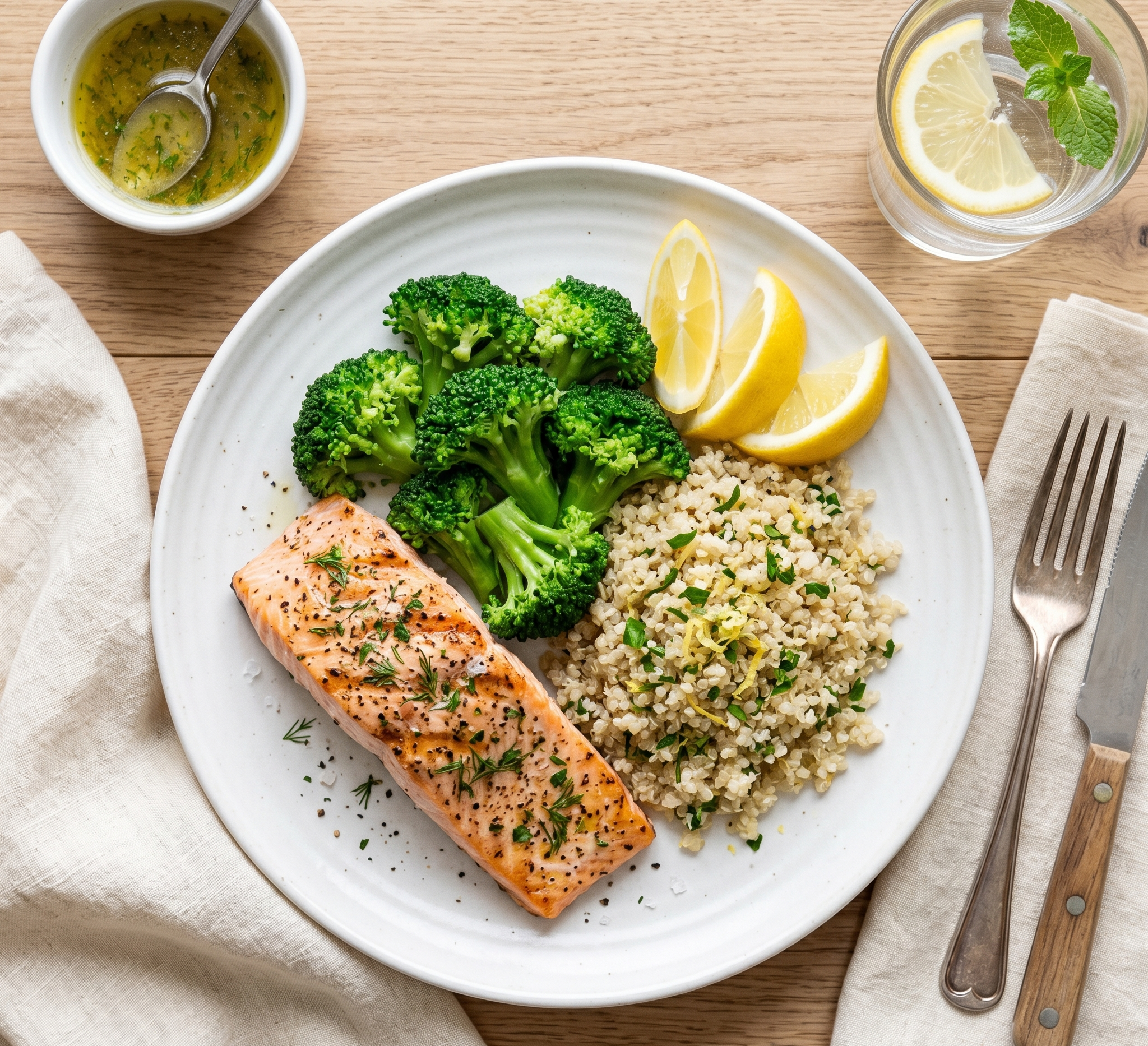
Prioritize Lean Proteins
Protein becomes your best friend on GLP-1 for beginners. It preserves muscle mass during weight loss, keeps you satisfied longer, and tends to digest smoothly. Aim for sources like:
- Grilled chicken or turkey breast
- White fish such as cod or tilapia
- Eggs and egg whites
- Greek yogurt (plain, unsweetened)
- Tofu and tempeh for plant-based options
- Cottage cheese
Because your appetite drops significantly, every bite needs to count nutritionally. Protein delivers maximum satiety per calorie.
Embrace Soft, Cooked Vegetables
Raw salads can feel heavy when your stomach empties slowly. Instead, focus on cooked vegetables that are easier to digest:
- Steamed broccoli or green beans
- Roasted zucchini and bell peppers
- Mashed cauliflower
- Cooked spinach or kale
These provide essential fiber, vitamins, and minerals without overwhelming your digestive system.
Choose Complex Carbohydrates Carefully
You don’t need to eliminate carbs entirely when starting GLP-1 for beginners. However, refined carbs like white bread and sugary snacks can cause blood sugar swings that counteract the medication’s benefits. Better options include:
- Oatmeal or overnight oats
- Quinoa or brown rice in small portions
- Sweet potatoes
- Whole grain toast (in moderation)
Healthy Fats in Moderation
Fat slows digestion further, which can be problematic when you’re already dealing with delayed gastric emptying. Keep portions small:
- Avocado (a quarter to half at most)
- Olive oil drizzled on vegetables
- A small handful of nuts
- Nut butters (thinly spread)
Foods to Avoid Initially
During your first few weeks of GLP-1 for beginners, certain foods commonly trigger discomfort:
- Fried or greasy foods
- Very sugary foods and beverages
- Carbonated drinks (including sparkling water for some)
- Large portions of red meat
- Alcohol (which can worsen nausea and dehydration)
How Much Weight Can You Lose in 3 Months on GLP-1?
Let’s talk numbers — realistically. Clinical trials provide helpful benchmarks for GLP-1 for beginners wondering what to expect.
Semaglutide (Ozempic/Wegovy): In the landmark STEP trials, participants lost approximately 15% of their body weight over 68 weeks. For a 200-pound person, that’s roughly 30 pounds total. Breaking this down, you might expect:
- Month 1: 2-5 pounds (mostly water weight and initial appetite changes)
- Month 2: 4-8 pounds
- Month 3: 6-10 pounds
So within three months, a realistic range is 10-20 pounds, depending on your starting weight, dosage, diet quality, and activity level.
Tirzepatide (Mounjaro): The SURPASS trials showed even more impressive results, with some participants losing up to 22.5% of body weight over 72 weeks. Three-month losses often range from 12-25 pounds.
However, and this is crucial for GLP-1 for beginners, individual results vary dramatically. Some people lose faster. Some lose slower. Your genetics, starting weight, adherence to diet recommendations, and whether you’re combining medication with exercise all play significant roles.
The most important metric isn’t just scale weight. Many beginners notice inches lost, improved energy, better blood sugar readings, and reduced cravings long before dramatic weight changes appear.
Can You Lose Weight on GLP-1 Without Dieting?
This question circulates constantly among GLP-1 for beginners, and the answer is nuanced. Technically, yes — many people lose weight on these medications without consciously “dieting.” The appetite suppression is that powerful.
However, “without dieting” doesn’t mean “without any dietary changes.” Here’s what typically happens:
Your natural hunger signals diminish dramatically. You might skip breakfast without thinking because you’re simply not hungry. Dinner portions shrink automatically. Late-night snacking disappears. These behavioral changes occur organically due to the medication’s effect on your brain’s appetite centers.
That said, for GLP-1 for beginners seeking optimal, sustainable results, intentional nutrition choices still matter enormously. Eating protein-rich foods preserves muscle mass. Staying hydrated prevents side effects. Choosing nutrient-dense options ensures you get vitamins and minerals despite eating less food.
Think of it this way: the medication opens the door, but what you walk through with matters. Someone eating fast food in smaller portions will lose weight differently than someone focusing on whole foods. Both might see scale movement, but body composition, energy levels, and long-term health outcomes differ significantly.
The Biggest Side Effect of GLP-1 (And Others You Should Know)
If you ask experienced users about the biggest side effect of GLP-1 for beginners, most will immediately say nausea. It’s incredibly common, affecting up to 44% of people starting semaglutide according to clinical data.
But here’s what the commercials gloss over: nausea isn’t just “mild stomach upset” for everyone. It can range from slight queasiness to genuine discomfort that affects daily life. The good news? It usually improves significantly after the first few weeks as your body adjusts.
Other Common Side Effects for GLP-1 Beginners:
- Vomiting: Often linked to eating too much or too quickly
- Diarrhea or constipation: Digestive changes are par for the course
- Fatigue: Your body is adjusting to lower calorie intake and metabolic changes
- Headaches: Frequently dehydration-related
- Acid reflux or heartburn: Slowed stomach emptying can push acid upward
- Injection site reactions: Redness, itching, or bruising where you inject
Less Common but Serious Concerns:
- Gallbladder issues: Rapid weight loss can trigger gallstones
- Pancreatitis: Rare but serious inflammation requiring immediate medical attention
- Thyroid C-cell tumors: Observed in rodent studies; contraindicated for those with personal/family history of medullary thyroid carcinoma
- Severe gastrointestinal reactions: Though uncommon, some people cannot tolerate these medications
For GLP-1 for beginners, the key is starting low, going slow with dose increases, and maintaining open communication with your prescribing physician. Don’t suffer in silence if side effects feel unmanageable — dosage adjustments or alternative medications often solve the problem.
What Foods Actually Boost GLP-1 Naturally?
Not everyone is ready for prescription medications. Some people want to try natural approaches first. Others are looking for ways to enhance their medication’s effects. Fortunately, certain foods genuinely support your body’s natural GLP-1 production.
Protein-Rich Foods: Consuming adequate protein stimulates GLP-1 release. Eggs, fish, poultry, and legumes are particularly effective.
Healthy Fats: Monounsaturated fats from olive oil, avocados, and nuts trigger GLP-1 secretion better than saturated fats.
Fiber and Complex Carbohydrates: Soluble fiber sources like oats, flaxseeds, and beans slow digestion and promote GLP-1 release.
Fermented Foods: Emerging research suggests gut health influences hormone production. Yogurt, kefir, sauerkraut, and kimchi may support this pathway.
Bitter Foods: Some studies indicate bitter compounds in foods like dark leafy greens and certain herbs may stimulate GLP-1 receptors.
However, GLP-1 for beginners should understand a critical distinction: natural food-based approaches produce modest GLP-1 increases compared to medications. You might see slight appetite reduction and better blood sugar control, but dramatic weight loss typically requires pharmaceutical intervention for those with significant obesity.
How Do I Make Myself Eat on GLP-1?
This might sound like a strange problem, but it’s incredibly real for GLP-1 for beginners. When your appetite vanishes, you might realize it’s 4 PM and you’ve consumed nothing but coffee. While undereating seems like a fast track to weight loss, it’s actually counterproductive and potentially dangerous.
Practical Strategies:
- Set meal alarms: Eat by the clock, not by hunger, especially in the beginning
- Liquid calories count: Smoothies, protein shakes, and bone broth provide nutrition without the effort of chewing large meals
- Small, frequent meals: Six tiny meals often work better than three normal ones
- Focus on calorie-dense nutrition: Nut butters, avocado, and olive oil add calories without bulk
- Don’t skip protein: Even if you’re not hungry, aim for at least 60-80 grams daily to preserve muscle
If you consistently struggle to consume enough calories, contact your healthcare provider. Severe undereating can cause hair loss, muscle wasting, gallstones, and metabolic slowdown.
GLP-1 for Beginners: Long-Term Considerations
Starting GLP-1 for beginners is just that — a beginning. These medications aren’t typically short-term solutions. Research suggests that stopping medication often leads to weight regain, sometimes rapidly. Your body hasn’t “fixed” its underlying metabolic issues; the medication is managing them.
This reality shapes important decisions:
- Can you commit to long-term use? Discuss this honestly with your doctor
- What’s your insurance coverage situation? These medications are expensive without coverage
- Are you building sustainable habits? Medication works best alongside lifestyle changes that stick
- What’s your maintenance plan? Some people transition to lower doses; others combine with intensive lifestyle programs
The most successful GLP-1 for beginners view these medications as tools within a broader health strategy, not standalone solutions.
When to Talk to Your Doctor (And When to Seek Emergency Care)
GLP-1 for beginners must know the warning signs that require immediate attention:
Contact your doctor promptly if you experience:
- Persistent vomiting lasting more than 24 hours
- Severe abdominal pain (possible pancreatitis)
- Signs of allergic reaction: rash, itching, swelling, difficulty breathing
- Yellowing skin or eyes (possible gallbladder or liver issues)
- Severe fatigue or dizziness suggesting dehydration
Seek emergency care for:
- Intense, unrelenting abdominal pain
- Difficulty breathing or swallowing
- Chest pain
- Severe allergic reactions
Never hesitate to reach out. Your medical team expects questions from GLP-1 for beginners — it’s part of safe prescribing.
5. FAQ Section
What to eat when first starting GLP-1?
Focus on lean proteins (chicken, fish, eggs, Greek yogurt), cooked vegetables, small portions of complex carbs, and healthy fats in moderation. Avoid greasy, fried, overly sugary, and carbonated foods. Think soft, nutrient-dense, and easy to digest.
How much weight can I lose in 3 months on GLP-1?
Most GLP-1 for beginners lose between 10-20 pounds in three months on semaglutide, and 12-25 pounds on tirzepatide. Individual results vary based on starting weight, dosage, diet quality, and activity level. Consistency matters more than speed.
Can I lose weight on GLP-1 without dieting?
Yes, many people lose weight without formal dieting because appetite suppression happens naturally. However, intentional food choices improve results, preserve muscle mass, and reduce side effects. The medication changes your behavior, but smart nutrition maximizes outcomes.
What is the biggest side effect of GLP-1?
Nausea is the most common side effect affecting GLP-1 for beginners, experienced by up to 44% of users. It typically improves within a few weeks. Other frequent issues include vomiting, diarrhea, constipation, fatigue, and headaches — most manageable with proper hydration and gradual dose increases.
What foods actually boost GLP-1 naturally?
Protein-rich foods, healthy fats (especially monounsaturated), soluble fiber from oats and legumes, fermented foods for gut health, and bitter compounds in leafy greens all support natural GLP-1 production. However, natural boosts are modest compared to prescription medications.
How do I make myself eat on GLP-1?
Set meal alarms, rely on liquid nutrition like smoothies and protein shakes, eat small frequent meals, and prioritize calorie-dense healthy foods like nut butters and avocado. Aim for at least 60-80 grams of protein daily even when appetite is minimal.
Sources Referenced
- Mayo Clinic – Semaglutide (Subcutaneous Route) Side Effects
- WebMD – What Is Semaglutide and How Does It Work?
- New England Journal of Medicine – Semaglutide and Weight Loss in Adults with Overweight or Obesity
- The Lancet – Tirzepatide for Obesity Treatment
You May Also Like:
Medical Disclaimer: This article is for informational purposes only and does not constitute medical advice. Always consult a qualified healthcare provider before starting, stopping, or changing any medication. Individual results and side effects vary. If you experience severe symptoms, seek emergency medical attention immediately.