
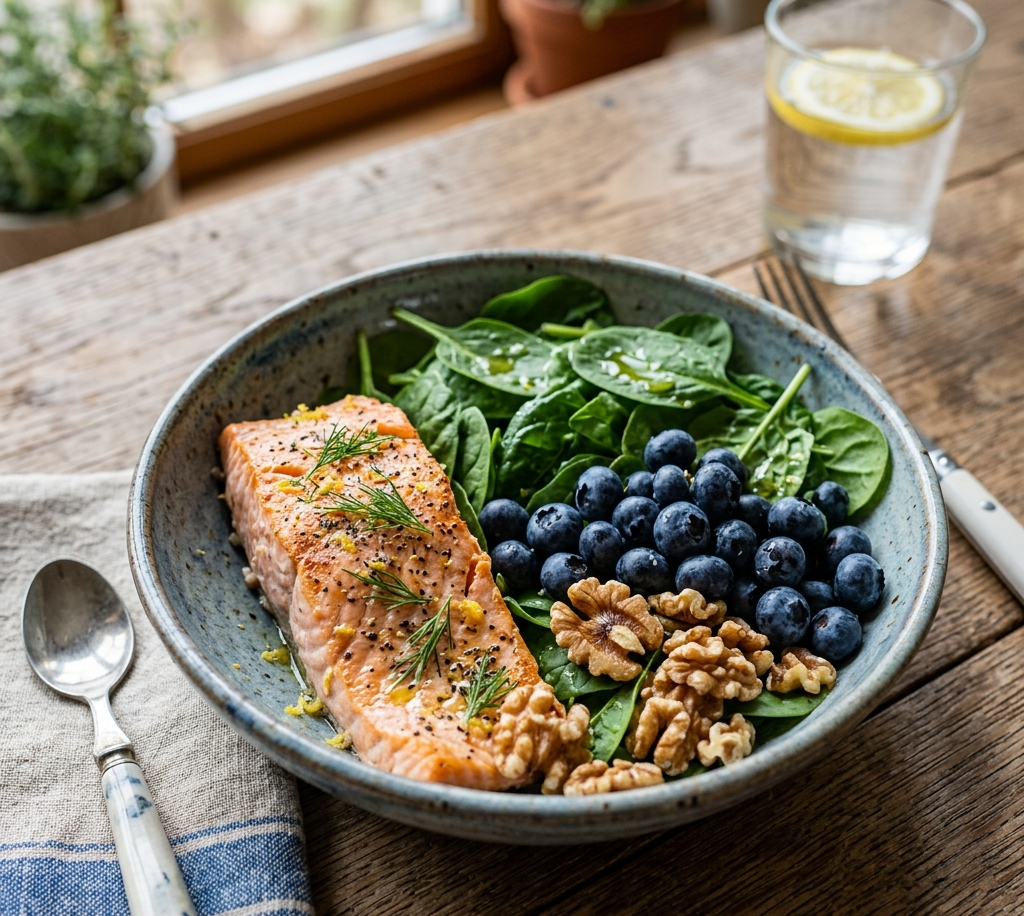
Chronic inflammation can quietly damage your body over time. However, you do not need a prescription to fight back. In fact, anti inflammatory foods are one of the most powerful tools you can use to protect your health. According to Dr. Frank Hu at the Harvard School of Public Health, many components of everyday foods and beverages have proven anti inflammatory effects. Therefore, choosing the right anti inflammatory foods may reduce your risk of major illnesses like heart disease, diabetes, and even depression.
In this guide, you will discover which anti-inflammatory foods deserve a spot on your grocery list. Additionally, you will learn how to build simple, delicious meals around them. Because small changes in your diet can lead to big improvements in how you feel, this post is designed to help you start today.
What Are Anti Inflammatory Foods?
Anti inflammatory foods are whole, nutrient-dense ingredients that help lower inflammation in the body. Inflammation itself is a natural immune response. For example, your body uses it to fight infections or heal injuries. But when inflammation persists day after day, it becomes chronic. Consequently, this low-grade inflammation is linked to cancer, arthritis, Alzheimer’s, and other serious conditions.
Mayo Clinic staff explain that processed and ultra-processed foods can release inflammatory messengers. On the other hand, fresh fruits, vegetables, whole grains, and legumes supply the anti-inflammatory nutrients your body needs to stay balanced.
Top Anti Inflammatory Foods to Eat Weekly
Fatty Fish: Omega-3 Powerhouses
Fatty fish like salmon, mackerel, sardines, and tuna are loaded with omega-3 fatty acids. These healthy fats, specifically EPA and DHA, actively modulate inflammatory pathways in your body. Moreover, wild salmon delivers roughly 2 to 2.5 grams of omega-3s per serving, making it one of the most potent anti-inflammatory foods you can eat.
If you are vegetarian or vegan, you can still benefit. Walnuts, chia seeds, and flaxseeds contain plant-based omega-3s. Therefore, adding a handful of walnuts to your breakfast or blending chia seeds into a smoothie is an easy win.
Berries: Tiny Fruits, Big Impact
Blueberries, strawberries, blackberries, and cherries are bursting with antioxidants called anthocyanins. These compounds give berries their deep red and blue colors. Furthermore, research shows that anthocyanins help reduce oxidative stress and lower inflammatory markers. Because oxidative stress triggers inflammation, eating berries regularly helps break that cycle.
Frozen berries work just as well as fresh ones. So, keep a bag in your freezer for quick smoothies or oatmeal toppings.
Leafy Greens: The Foundation of Anti Inflammatory Eating
Spinach, kale, Swiss chard, and collard greens score a perfect 1,000 on the Aggregate Nutrient Density Index. This means they pack the highest concentration of vitamins, minerals, and phytonutrients per calorie. Additionally, the phytonutrients in leafy greens trigger your liver to release enzymes that break down inflammatory toxins.
Because they are so versatile, you can toss them into salads, blend them into smoothies, or use large collard leaves as wraps instead of bread.
Tomatoes and Lycopene-Rich Foods
Tomatoes contain lycopene, a powerful antioxidant that reduces inflammatory markers and supports heart health. Interestingly, cooking tomatoes actually increases lycopene absorption. Therefore, tomato sauce, roasted tomatoes, and sun-dried tomatoes are excellent choices.
Cherry tomatoes travel well, so keep them washed and ready in your fridge for instant snacking.
Extra Virgin Olive Oil: Liquid Gold
Extra virgin olive oil is a cornerstone of the Mediterranean diet, which is widely recognized for its anti-inflammatory benefits. It contains oleuropein and other polyphenols that reduce pro-inflammatory cytokines. Moreover, studies show that the Mediterranean diet significantly lowers inflammation biomarkers like hs-CRP, IL-6, and IL-17.
Drizzle it over salads, vegetables, or whole-grain bread. However, avoid heating it to smoking point to preserve its beneficial compounds.
Nuts and Seeds: Crunchy Inflammation Fighters
Almonds, walnuts, chia seeds, and flaxseeds provide healthy fats, fiber, and vitamin E. Consequently, studies have associated regular nut consumption with reduced markers of inflammation and a lower risk of cardiovascular disease and diabetes.
A small handful of mixed nuts makes a perfect afternoon snack. Alternatively, sprinkle seeds over yogurt or salads for extra crunch.
Turmeric and Ginger: Spice Up Your Anti Inflammatory Diet
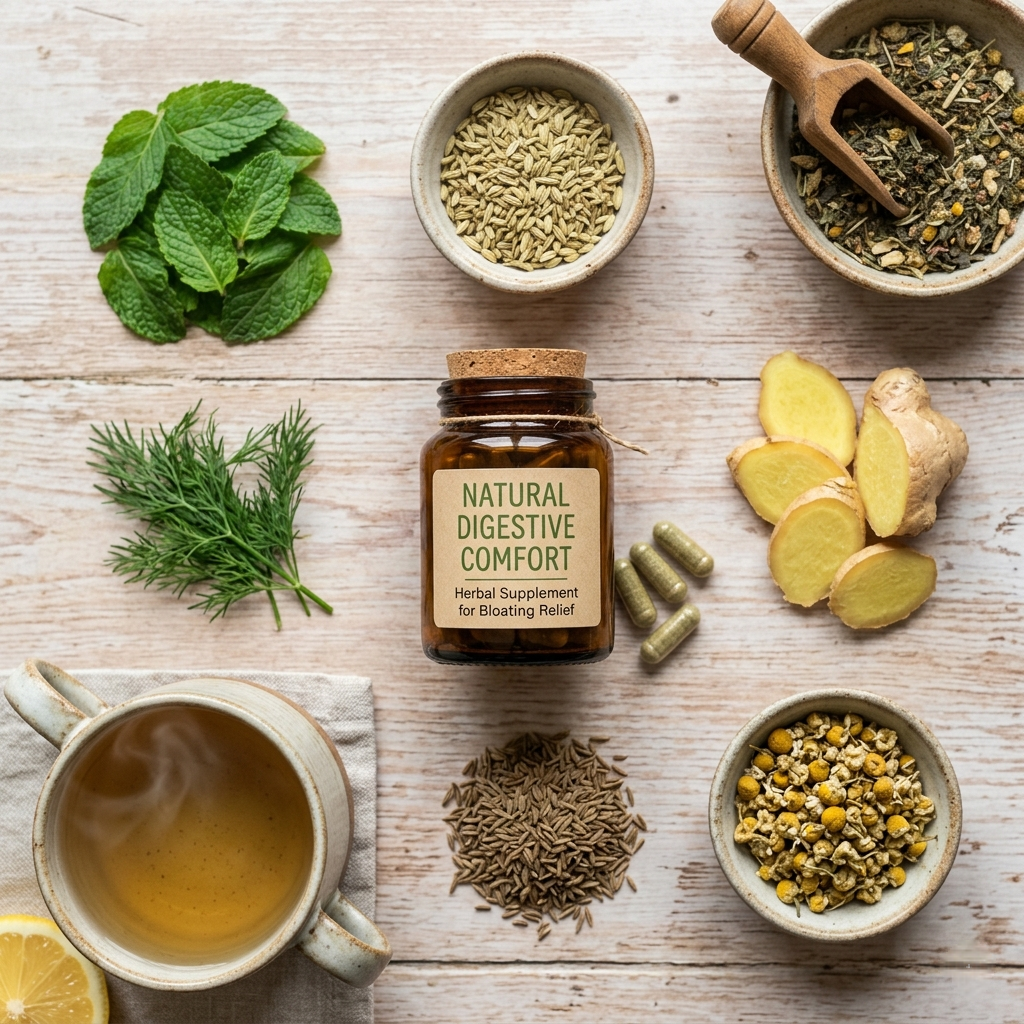
Turmeric contains curcumin, a compound known for its potent anti-inflammatory and antioxidant properties. Similarly, ginger supplies gingerol, which also helps reduce inflammation. Because these spices work systemically, they can provide noticeable benefits within hours when consumed regularly.
Add fresh ginger to teas or smoothies. For turmeric, pair it with black pepper to boost absorption by up to 2,000 percent.
Garlic: Sulfur Compounds for Immune Support
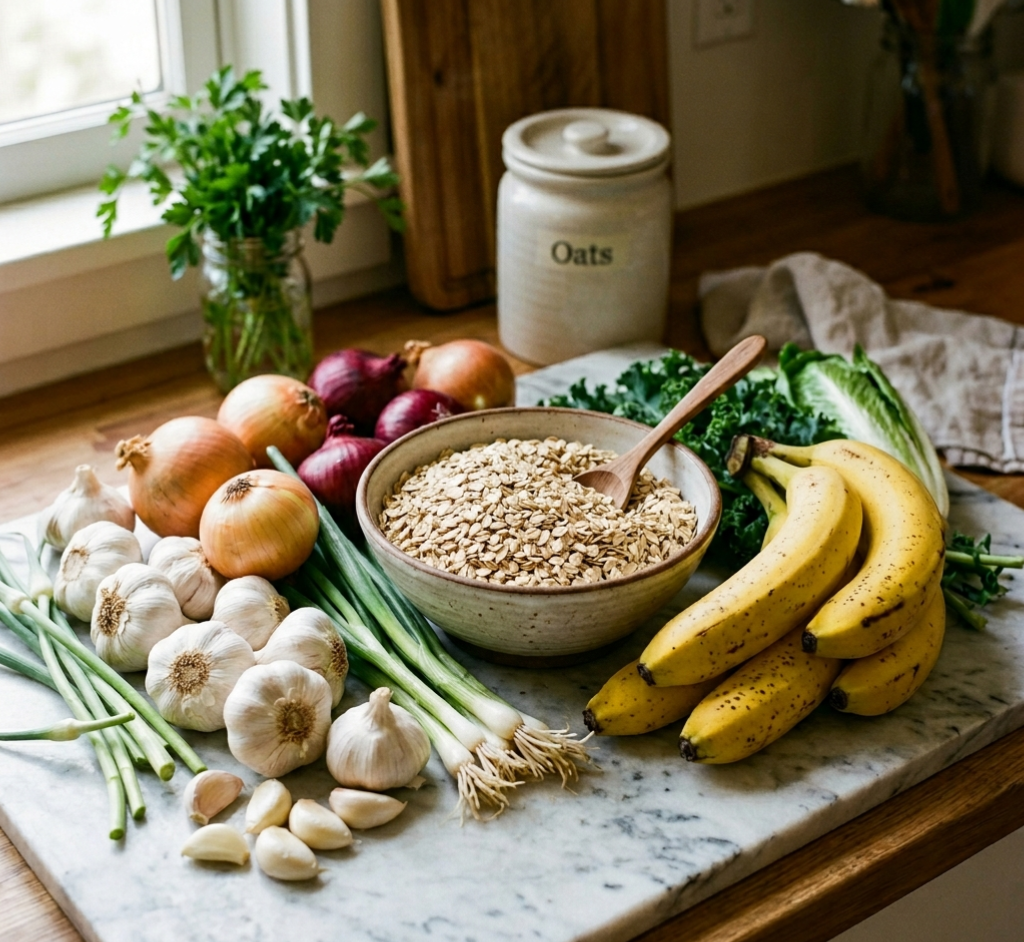
Garlic contains allicin and other sulfur compounds that deliver strong anti-inflammatory effects. Additionally, raw garlic offers the most potent benefits, though cooked garlic still helps. Therefore, add minced garlic to dressings, stir-fries, or roasted vegetables.
Whole Grains: Fiber That Feeds Good Bacteria
Brown rice, quinoa, oats, and buckwheat retain their bran and germ, unlike refined grains. As a result, they provide fiber that feeds beneficial gut bacteria. These bacteria then produce short-chain fatty acids, which suppress inflammatory pathways like NF-κB.
A systematic review of thirteen randomized controlled trials found that whole grain intake significantly decreased hs-CRP and IL-6 levels. Therefore, swapping white bread for whole-grain options is a simple but effective change.
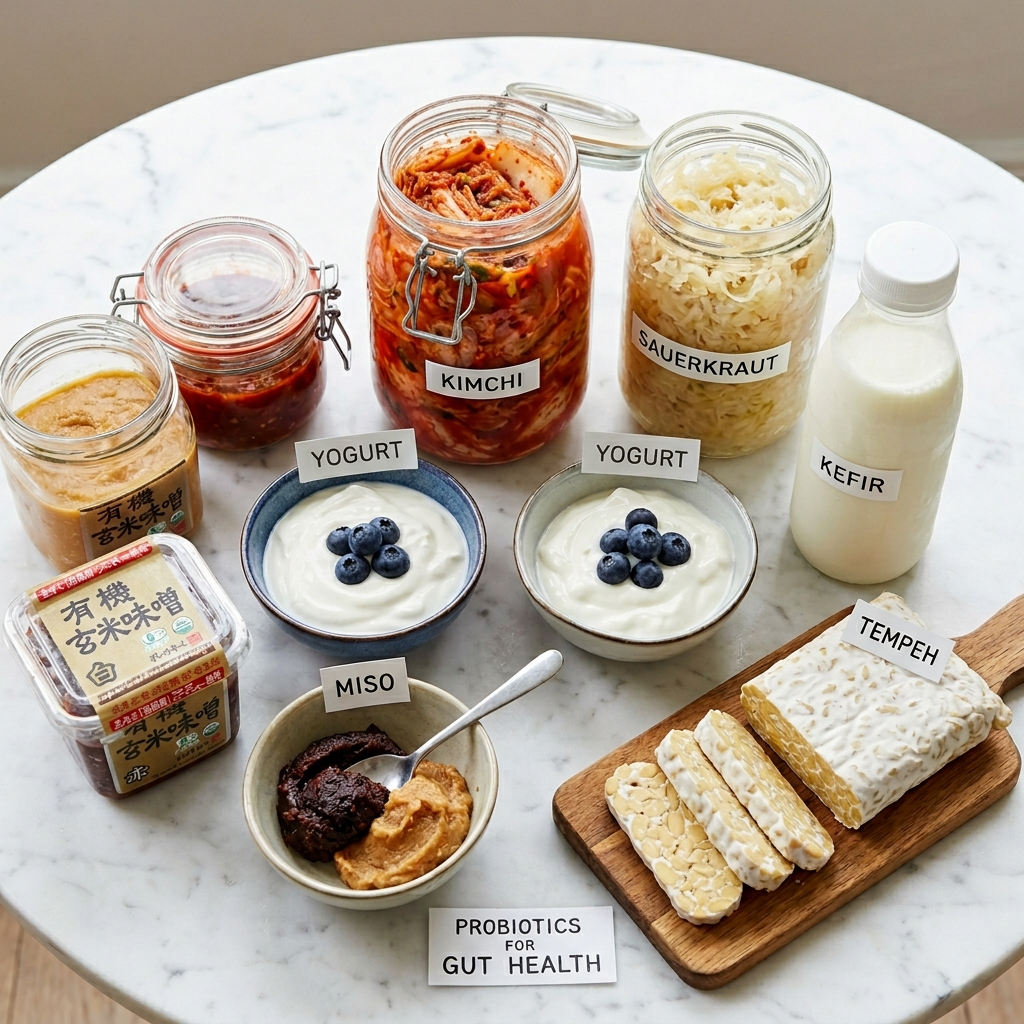
Fermented Foods: Probiotics for Gut Health
Yogurt, kefir, sauerkraut, kimchi, and miso contain live probiotics that support a healthy gut microbiome. Because gut health is directly linked to inflammation, these foods help maintain the gut barrier and reduce systemic inflammatory responses.
Just remember to check labels for “live active cultures” to ensure you are getting the real benefit.
Foods That Trigger Inflammation (Avoid These)
To get the most from your anti-inflammatory foods, you also need to know what to limit. According to Johns Hopkins Medicine, the following foods promote inflammation:
- Red meat and processed meats like bacon, sausage, and hot dogs
- Refined carbohydrates such as white bread, pastries, and sugary cereals
- Fried foods like French fries and donuts
- Sugar-sweetened beverages including soda and sweetened teas
- Trans fats found in margarine, microwave popcorn, and nondairy creamers
Additionally, cooking methods matter. Baking, steaming, or quick stir-frying are preferable to deep frying or grilling at high heat. Therefore, how you cook is almost as important as what you cook.
How to Build an Anti Inflammatory Meal Plan
Breakfast Ideas
Start your day with oatmeal topped with blueberries and walnuts. Alternatively, blend a smoothie with spinach, banana, chia seeds, and ginger. Because breakfast sets the tone for your day, choosing anti-inflammatory foods early helps maintain steady energy.
Lunch Ideas
Toss together a salad of dark leafy greens, cherry tomatoes, chickpeas, and avocado. Then drizzle with extra virgin olive oil and lemon. For protein, add grilled salmon or sardines. Consequently, you get a balanced meal rich in omega-3s, fiber, and antioxidants.
Dinner Ideas
Fill half your plate with colorful vegetables such as broccoli, bell peppers, and carrots. Then add a quarter of whole grains like quinoa or brown rice. Finally, finish with a quarter of lean protein such as baked mackerel or tofu. This simple formula follows the Mediterranean diet pattern, which is consistently ranked as one of the best anti inflammatory eating plans.
How Quickly Do Anti Inflammatory Foods Work?
Some anti inflammatory foods, like turmeric and ginger, can begin working within hours. However, others, such as omega-3-rich fish, require consistent intake over days or weeks to show measurable reductions in CRP levels. Therefore, patience and consistency are key.
Moreover, tart cherry juice consumed in the evening may reduce inflammation overnight thanks to its natural melatonin content. So, small habits repeated daily add up to significant long-term benefits.
Anti Inflammatory Foods and Chronic Disease Prevention
Chronic inflammation is an underlying mechanism for many major diseases. For instance, it contributes to atherosclerotic plaque buildup, increasing heart disease and stroke risk. It is also associated with higher cancer and diabetes risk.
However, research published in the PMC overview of anti inflammatory diets confirms that dietary patterns rich in polyphenols, omega-3 fatty acids, and fiber can reduce the expression of pro-inflammatory genes and decrease circulating inflammatory biomarkers. Therefore, your grocery choices are a form of preventive medicine.
Frequently Asked Questions About Anti Inflammatory Foods
Can I still eat meat on an anti inflammatory diet?
Yes, but choose lean options and limit red and processed meats. Instead, prioritize fatty fish, poultry, and plant-based proteins like lentils and beans.
Is coffee anti inflammatory?
Surprisingly, yes. Coffee contains polyphenols and other anti inflammatory compounds that may protect against inflammation. Therefore, your morning cup can be part of a healthy routine.
Are anti inflammatory diets compatible with weight loss?
Absolutely. In fact, weight loss itself is anti inflammatory. Additionally, anti inflammatory foods tend to be high in fiber and nutrients while being lower in empty calories, making them ideal for sustainable weight Start Your Anti-Inflammatory Journey Today
Anti inflammatory foods are not a trend; they are a science-backed strategy for better health. By filling your plate with berries, fatty fish, leafy greens, olive oil, nuts, and whole grains, you give your body the tools it needs to fight chronic inflammation naturally. Moreover, avoiding processed foods, refined sugars, and trans fats removes the fuel that keeps inflammation burning.
Therefore, start small. Add one or two anti inflammatory foods to your next grocery list. Because every healthy choice compounds over time, your future self will thank you for the investment you make today.
Sources Referenced:
- Harvard Health Publishing – “Foods that fight inflammation“
- Mayo Clinic – “Want to reduce chronic inflammation? Start with your grocery list“
- Johns Hopkins Medicine – “Anti Inflammatory Diet“
- PMC / Nutrition Research Reviews – “Overview of anti-inflammatory diets and their promising effects on non-communicable diseases“
- Breadless Blog – “Top 10 Anti-Inflammatory Foods for Busy Professionals“
You May Also Like:
- Why Protein Matters in Everyday Meals to Cook
- Fermented Foods for Gut Health: A Complete Guide
- High Quality Probiotics: Best Strains for Gut Health
- Best Digestion Supplements for Bloating, Gas and Discomfort
- Best Prebiotics for Gut Health vs Probiotics
- 15 Best Prebiotics for Gut Health in Your Kitchen

4 thoughts on “Top Anti Inflammatory Foods That Fight Inflammation”