
Why You Should Read About 10 Serious Side Effects of Turmeric
Turmeric has earned its golden reputation as a superfood, but have you ever stopped to consider the 10 serious side effects of turmeric that rarely make headlines? Millions of people sprinkle this vibrant spice into their meals, blend it into lattes, and pop curcumin supplements daily—often without knowing the full picture. However, because turmeric is a potent bioactive compound, it can interact with your body in surprising and sometimes harmful ways. Therefore, understanding the 10 serious side effects of turmeric isn’t about fear-mongering; it’s about making informed, safe choices for your health. In this guide, we’ll walk you through each risk with evidence-based clarity, practical advice, and clear warnings so you can enjoy turmeric’s benefits without unexpected consequences.
What Is Turmeric and Why the Hype?
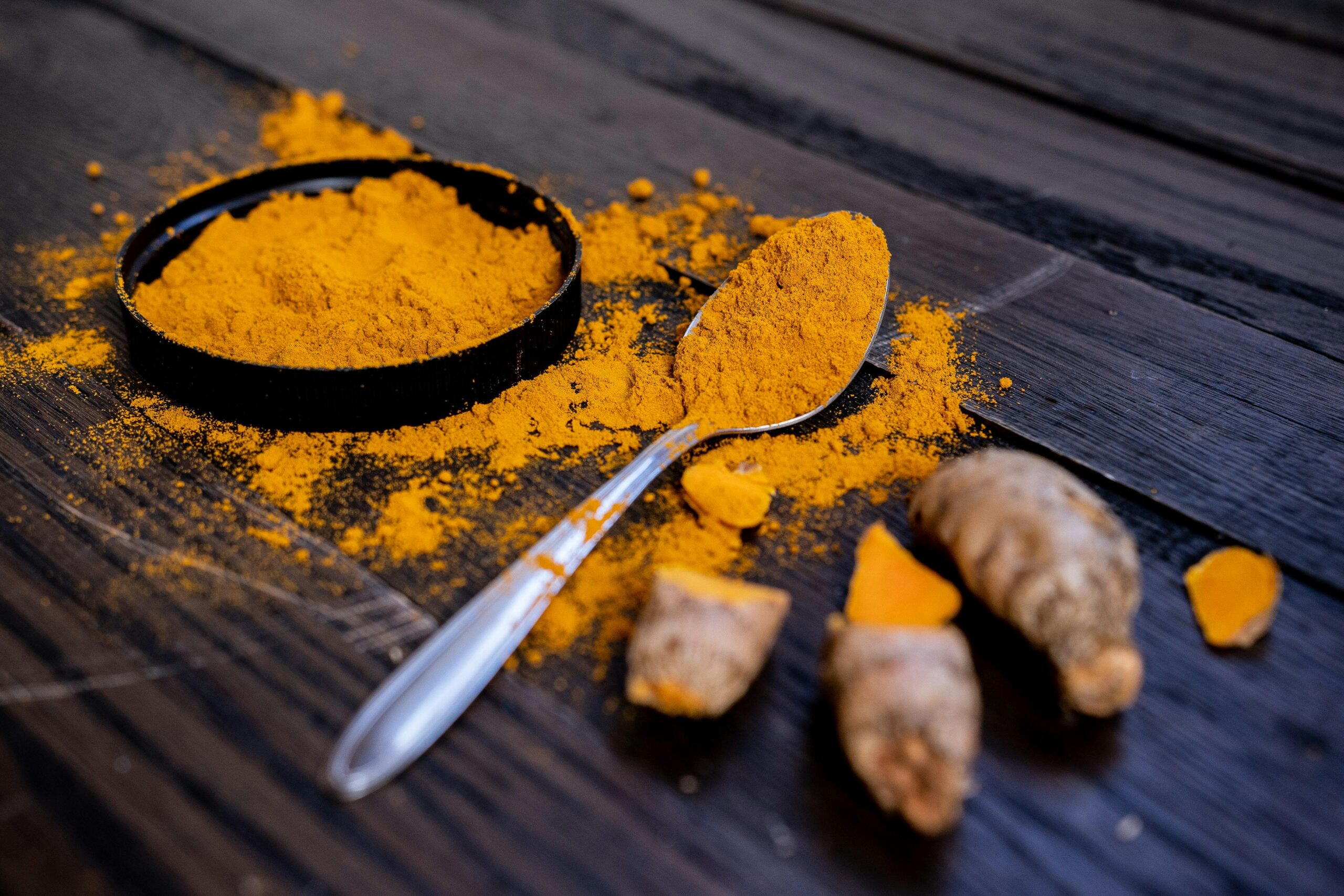
Turmeric comes from the root of Curcuma longa, a plant native to Southeast Asia. Its active compound, curcumin, boasts powerful anti-inflammatory and antioxidant properties. Consequently, turmeric has become a staple in natural health circles for managing arthritis, improving digestion, and even supporting brain health. Additionally, research from institutions like the National Institutes of Health (NIH) continues to explore curcumin’s therapeutic potential. Nevertheless, more of a good thing isn’t always better. Because turmeric affects blood clotting, digestion, and liver enzymes, excessive or inappropriate use can trigger adverse reactions. Therefore, before you increase your daily dose, let’s explore the 10 serious side effects of turmeric that every health-conscious reader should understand.
10 Serious Side Effects of Turmeric: The Complete Breakdown
1. Increased Bleeding Risk and Blood Thinning
One of the most dangerous 10 serious side effects of turmeric is its ability to thin your blood and interfere with clotting. Curcumin inhibits platelet aggregation, which means your blood may not clot as efficiently. Therefore, if you’re taking blood thinners like warfarin, aspirin, or clopidogrel, turmeric could dangerously amplify their effects. Additionally, this risk extends to surgical procedures—doctors typically advise stopping turmeric supplements at least two weeks before any operation. Because uncontrolled bleeding can become life-threatening, this side effect deserves serious attention. If you notice unusual bruising, prolonged bleeding from cuts, or frequent nosebleeds, consult your healthcare provider immediately.
Practical Tip: Always disclose turmeric supplement use to your doctor, especially before dental work or surgery.
2. Gallbladder Complications and Bile Duct Obstruction
Turmeric stimulates the gallbladder to release bile, which aids digestion. However, for people with gallstones or bile duct obstruction, this stimulation can trigger severe pain and complications. Therefore, among the 10 serious side effects of turmeric, gallbladder issues rank high for those with pre-existing conditions. Additionally, the increased bile flow may push existing stones into ducts, causing blockages. Because this can lead to infections or emergency surgery, individuals with gallbladder disease should avoid turmeric supplements entirely. Nevertheless, small culinary amounts are generally considered safe for most people.
When to See a Doctor: If you experience sharp upper abdominal pain, nausea, or vomiting after taking turmeric, seek medical evaluation.
3. Stomach Upset, Acid Reflux, and Digestive Distress
Ironically, a spice often praised for gut health can wreck your digestive system in high doses. One of the most commonly reported 10 serious side effects of turmeric is gastrointestinal irritation. Curcumin supplements, especially at doses above 500mg, frequently cause nausea, diarrhea, bloating, and acid reflux. Therefore, people with sensitive stomachs or conditions like GERD may find turmeric exacerbates their symptoms rather than relieves them. Additionally, turmeric’s spicy nature can irritate the esophagus and stomach lining when consumed in concentrated forms. Because everyone’s tolerance differs, starting with food-based amounts and monitoring your body’s response is essential.
Actionable Advice: Take turmeric with meals and consider lower doses if you experience digestive discomfort.
4. Kidney Stone Formation Risk
Turmeric contains oxalates—compounds that can bind with calcium and form kidney stones. Therefore, individuals prone to calcium oxalate stones face elevated risk when consuming large amounts of turmeric regularly. Additionally, because oxalate content is higher in concentrated supplements than in culinary turmeric, pill-form users should exercise extra caution. Among the 10 serious side effects of turmeric, this one often surprises people because kidney health isn’t typically associated with spice consumption. Nevertheless, research published in the American Journal of Clinical Nutrition highlights that high-oxalate diets significantly increase stone formation risk.
Prevention Tip: If you’ve had kidney stones previously, limit turmeric supplements and maintain adequate hydration.
5. Liver Toxicity and Elevated Enzyme Levels
While turmeric is often marketed as “liver-friendly,” excessive supplementation can actually stress this vital organ. Rare but documented cases link high-dose curcumin to elevated liver enzymes and drug-induced liver injury. Therefore, liver toxicity stands as one of the more alarming 10 serious side effects of turmeric. Additionally, because the liver metabolizes curcumin, pre-existing liver conditions may impair this process and increase toxicity risk. Because supplement quality varies widely, products contaminated with heavy metals or adulterants pose additional liver threats. If you experience yellowing skin, dark urine, or persistent fatigue while taking turmeric, discontinue use and consult a physician.
Expert Note: Choose third-party tested supplements and avoid exceeding recommended dosages.
6. Iron Deficiency and Anemia Risk
Curcumin can chelate iron, meaning it binds to this essential mineral and prevents absorption. Therefore, regular high-dose turmeric use may contribute to iron deficiency over time, particularly in vulnerable populations. Among the 10 serious side effects of turmeric, this one often goes unnoticed because symptoms develop gradually. Additionally, vegetarians, vegans, and individuals with existing anemia face heightened susceptibility. Because iron is crucial for oxygen transport and energy production, deficiency can cause fatigue, weakness, and impaired immune function.
Balanced Approach: If you’re iron-deficient, consume turmeric separately from iron-rich meals or supplements.
7. Hypoglycemia and Blood Sugar Drops
Turmeric can lower blood glucose levels, which sounds beneficial until it drops too far. Therefore, diabetic patients on medication face significant hypoglycemia risk when combining turmeric with insulin or oral hypoglycemics. Additionally, because this interaction isn’t always predictable, blood sugar monitoring becomes critical. Among the 10 serious side effects of turmeric, unexpected hypoglycemia can cause dizziness, confusion, sweating, and even loss of consciousness. Because symptoms may mimic other conditions, many people fail to connect them to their turmeric habit.
Safety Protocol: If you have diabetes, coordinate turmeric use with your endocrinologist and monitor glucose closely.
8. Allergic Reactions and Skin Sensitivity
Although rare, some individuals experience allergic responses to turmeric, ranging from mild rashes to severe anaphylaxis. Therefore, allergic reactions deserve inclusion in the 10 serious side effects of turmeric. Additionally, topical turmeric can cause contact dermatitis in sensitive individuals, presenting as redness, itching, or burning. Because turmeric belongs to the ginger family, those with ginger allergies may cross-react. If you develop hives, swelling, or difficulty breathing after turmeric exposure, seek emergency medical care immediately.
Patch Test Tip: When using turmeric topically, apply a small amount to your inner arm first and wait 24 hours.
9. Hormonal Disruption and Fertility Concerns
Emerging research suggests curcumin may mimic estrogen or interfere with hormone signaling pathways. Therefore, women with hormone-sensitive conditions—such as breast, ovarian, or uterine cancers—should approach turmeric cautiously. Among the 10 serious side effects of turmeric, hormonal disruption remains understudied but potentially significant. Additionally, some animal studies indicate high-dose curcumin may reduce fertility by affecting sperm quality and ovulation. Because human data is limited, pregnant and breastfeeding women should avoid concentrated supplements unless medically supervised.
Medical Guidance: Discuss turmeric supplementation with your oncologist or fertility specialist if relevant.
10. Drug Interactions with Common Medications
Perhaps the most comprehensive of the 10 serious side effects of turmeric is its potential to interact with numerous pharmaceuticals. Curcumin affects cytochrome P450 enzymes, which metabolize many prescription drugs. Therefore, turmeric can alter the effectiveness or toxicity of medications including chemotherapy drugs, antidepressants, antacids, and diabetes medications. Additionally, because patients often don’t disclose supplement use to doctors, these interactions frequently go unrecognized until adverse effects appear. Because the list of potential interactions is extensive, always inform your healthcare provider about all supplements you take.
Critical Action: Bring a complete list of your supplements to every medical appointment.
You May Also Like: The Smoothie Diet: Lose Weight Fast in 21 Days
How to Use Turmeric Safely: Practical Guidelines
Understanding the 10 serious side effects of turmeric doesn’t mean avoiding this spice entirely—it means using it wisely. Here are actionable strategies for safe consumption:
- Stick to culinary amounts: Food-based turmeric (1–3 grams daily) rarely causes serious issues.
- Consult before supplementing: Speak with your doctor before taking concentrated curcumin capsules.
- Monitor your body: Pay attention to unusual symptoms after starting turmeric.
- Choose quality products: Opt for supplements with third-party testing and clear ingredient lists.
- Time it right: Separate turmeric from medications and iron supplements by at least two hours.
When Should You See a Doctor?
Because the 10 serious side effects of turmeric can range from mild to severe, knowing when to seek help is crucial. Contact your healthcare provider if you experience:
- Unusual bleeding or bruising
- Severe stomach pain or persistent digestive issues
- Signs of liver problems (yellowing skin, dark urine)
- Symptoms of low blood sugar (dizziness, confusion, sweating)
- Allergic reactions or breathing difficulties
Additionally, if you’re scheduled for surgery, inform your medical team about turmeric use well in advance.
You May Also Like: 15 Best Prebiotics for Gut Health in Your Kitchen
Frequently Asked Questions (FAQ)
What are the 10 serious side effects of turmeric?
The 10 serious side effects of turmeric include increased bleeding risk, gallbladder complications, digestive distress, kidney stone formation, liver toxicity, iron deficiency, hypoglycemia, allergic reactions, hormonal disruption, and drug interactions with common medications.
Can turmeric cause liver damage?
Yes, although rare, high-dose curcumin supplements have been linked to elevated liver enzymes and drug-induced liver injury. Therefore, stick to recommended doses and choose quality-tested products.
Is it safe to take turmeric daily?
Small culinary amounts are generally safe for most people. However, daily high-dose supplementation may trigger several of the 10 serious side effects of turmeric, especially if you have underlying health conditions.
Who should avoid turmeric supplements?
People with bleeding disorders, gallbladder disease, kidney stone history, liver conditions, diabetes on medication, hormone-sensitive cancers, or those taking blood thinners should avoid turmeric supplements or use them only under medical supervision.
Can turmeric interact with my medications?
Absolutely. Turmeric affects how your liver processes many drugs, potentially altering their effectiveness or increasing side effects. Therefore, always discuss turmeric use with your prescribing physician.
Does cooking with turmeric have the same risks as supplements?
No. Culinary turmeric contains much lower curcumin concentrations than supplements. Consequently, food-based consumption rarely causes the serious side effects associated with high-dose pills.
Make Informed Choices About Turmeric
Turmeric offers genuine health benefits, but only when used responsibly. Throughout this guide, we’ve explored the 10 serious side effects of turmeric with scientific backing and practical context. Therefore, the key takeaway is balance: enjoy turmeric in your cooking, but approach supplements with caution and medical guidance. Because your health journey deserves both natural remedies and informed decisions, we encourage you to share this article with anyone considering turmeric supplementation. Additionally, bookmark this page and consult your healthcare provider before making significant changes to your wellness routine. Your safety matters more than any trending superfood.
Sources Referenced
- National Institutes of Health (NIH) – Curcumin and Health
- American Journal of Clinical Nutrition – Dietary Oxalate and Kidney Stones
- Mayo Clinic – Turmeric Information
- WebMD – Turmeric Side Effects and Interactions
- National Center for Complementary and Integrative Health (NCCIH) – Turmeric
You May Also Like:




One thought on “10 Serious Side Effects of Turmeric: Hidden Dangers Revealed”