
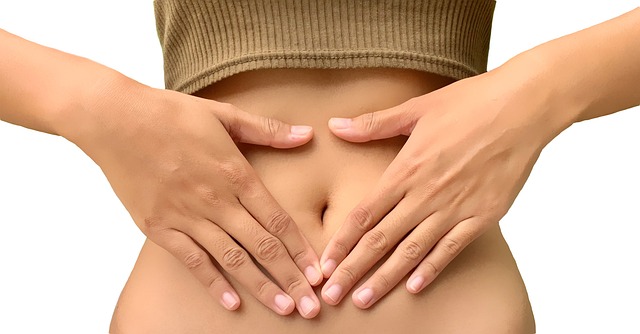
What Are Prebiotics for Gut Health?
If you want a happier digestive system, then prebiotics for gut health deserve your full attention. Basically, these special plant fibers feed the good bacteria already living inside your colon, and prebiotics for gut health work quietly behind the scenes. However, many people confuse them with probiotics, so they often overlook prebiotics for gut health.
In essence, prebiotics for gut health are non-digestible carbohydrates that reach your large intestine intact. Additionally, they act as fertilizer for beneficial microbes such as Bifidobacteria and Lactobacilli. Because they resist breakdown by stomach acid, prebiotics for gut health selectively nourish the friendly bugs you want to thrive.
Prebiotics for Gut Health vs Probiotics: What’s the Real Difference?
Prebiotics for gut health and probiotics sound similar, yet they play completely different roles. Meanwhile, probiotics are live microorganisms that add new bacteria to your digestive tract. Therefore, you can think of probiotics as seeds, whereas prebiotics for gut health act as the water and fertilizer that help those seeds grow.
Specifically, according to the World Health Organization, probiotics must be live microbes that you consume in adequate amounts to confer benefits. However, prebiotics for gut health do not contain live bacteria at all. Instead, they provide the fuel that keeps your existing microbiome strong and balanced every single day.
How Probiotics Support Prebiotics for Gut Health
Naturally, probiotics travel through your stomach and temporarily settle in your intestines to support digestion. Furthermore, they help break down fiber, produce vitamins, and crowd out harmful pathogens. Nevertheless, these beneficial bugs need consistent nourishment, and that’s exactly where prebiotics for gut health become essential.
Why Prebiotics for Gut Health Matter Just as Much
Clearly, without proper fuel, even the best probiotics will struggle to survive. Consequently, prebiotics for gut health ensure your native bacteria flourish long after any supplement passes through. Moreover, research from Harvard Medical School links prebiotics for gut health to better calcium absorption and improved immune function.
Top Foods Rich in Prebiotics for Gut Health
Luckily, you do not need expensive supplements to support your microbiome. Instead, everyday foods deliver powerful prebiotics for gut health in delicious, affordable ways. Additionally, nature packed these fibers into vegetables, fruits, and whole grains that you probably already enjoy.
Garlic and Onions as Top Prebiotics for Gut Health
Certainly, garlic adds amazing flavor to almost any savory dish. Furthermore, it contains inulin and fructooligosaccharides, which are excellent prebiotics for gut health. Similarly, onions offer these same compounds plus powerful antioxidants that protect your cells from damage.
Bananas and Apples for Daily Prebiotics for Gut Health
Naturally, bananas contain small amounts of inulin along with vitamins and minerals. Therefore, they gently increase healthy bacteria while reducing uncomfortable bloating. Likewise, apples provide pectin, a soluble fiber that feeds beneficial microbes, so both fruits make smart choices for prebiotics for gut health.
Whole Oats and Chicory Root as Prebiotics for Gut Health
Specifically, whole oats deliver beta-glucan and resistant starch that beneficial bacteria love. Meanwhile, chicory root offers one of the richest concentrations of inulin available in any whole food. Because of this, many manufacturers add chicory root fiber to packaged products to boost prebiotics for gut health.
Science-Backed Benefits of Prebiotics for Gut Health
Currently, scientists continue discovering new ways that prebiotics for gut health enhance overall wellness. However, several benefits of prebiotics for gut health already have strong research support. Therefore, let’s explore the most impressive findings that could motivate you to fill your plate with more fiber-rich foods.
Better Digestion Through Prebiotics for Gut Health
Constipation feels uncomfortable; however, prebiotics for gut health can help move things along naturally. Additionally, these fibers ferment in your colon and produce short-chain fatty acids that nourish intestinal lining cells. Consequently, many people notice less bloating and more predictable bathroom habits within just a few weeks.
Stronger Immunity With Prebiotics for Gut Health
Surprisingly, your gut houses a major part of your immune system. Therefore, prebiotics for gut health play a major role in defending your body against invaders. Moreover, studies suggest they may lower inflammation while helping your body absorb critical minerals like calcium more efficiently.
Do You Need Both Prebiotics for Gut Health and Probiotics?
Often, many shoppers wonder whether they should buy probiotic pills, prebiotic powders, or both. Ultimately, prebiotics for gut health should form the foundation of any digestive wellness plan. However, combining prebiotics for gut health with probiotics creates a synbiotic approach that delivers faster, more noticeable results for most people.
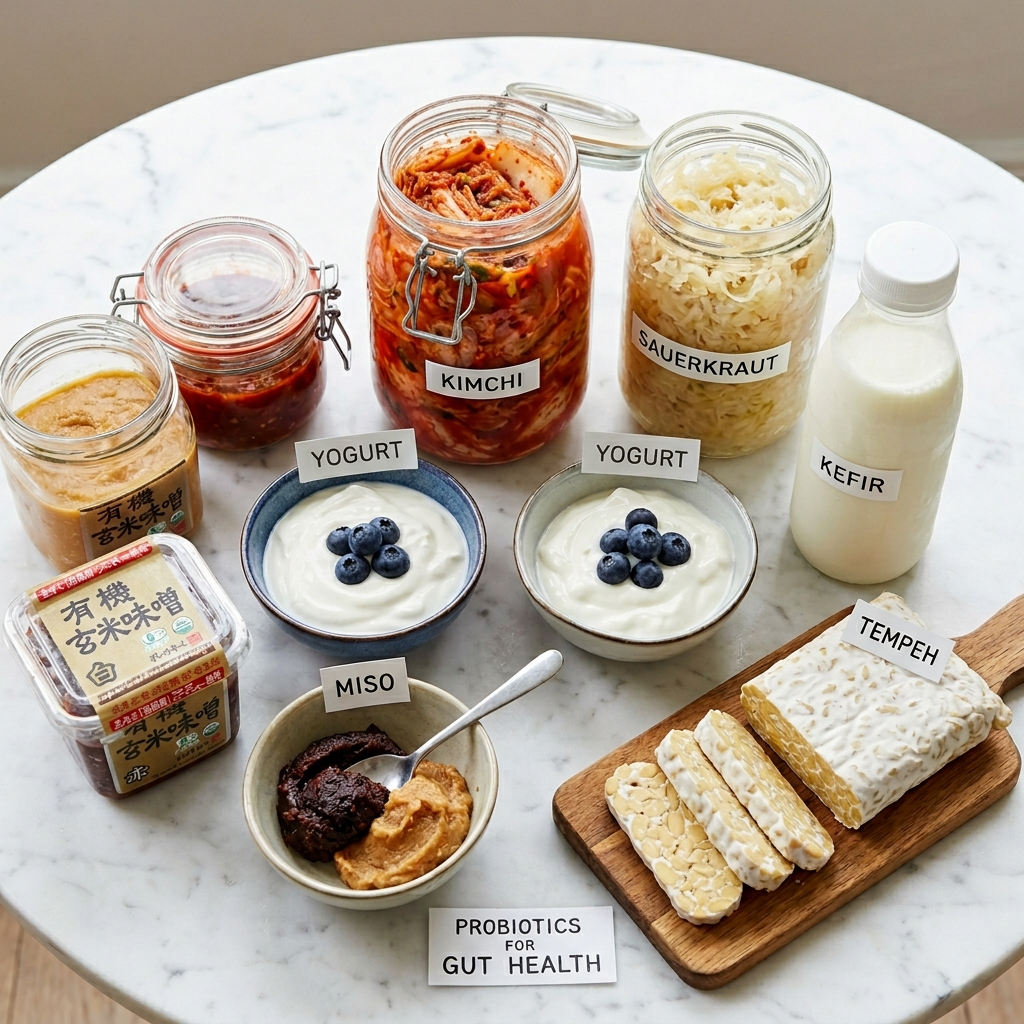
If you already eat fermented foods like yogurt or kimchi, then you are getting probiotics naturally. Meanwhile, adding garlic, onions, and oats supplies the prebiotics for gut health those friendly bugs crave. Therefore, food-first strategies usually outperform expensive supplements alone.
Easy Ways to Add More Prebiotics for Gut Health to Your Meals
Small changes make a big difference, so start with one simple swap tomorrow morning. For example, toss sliced bananas and apples into your oatmeal for an instant boost of prebiotics for gut health. Additionally, try adding dandelion greens or Jerusalem artichokes to your dinner rotation this week.
Admittedly, some people experience mild gas when they suddenly increase fiber intake. Therefore, introduce prebiotics for gut health gradually rather than all at once. Moreover, drink plenty of water throughout the day because hydration helps fiber work its magic comfortably.
Prebiotics for Gut Health
Truly, prebiotics for gut health represent one of the easiest, most affordable ways to nurture your microbiome. Ultimately, you don’t need fancy supplements or complicated meal plans to feel better. Instead, focus on fiber-rich whole foods, listen to your body, and enjoy the journey toward lasting digestive wellness with prebiotics for gut health.
Sources Referenced
- Harvard T.H. Chan School of Public Health – Probiotics for Gut Health: Definitions, sources, and the distinction between fermented foods and live probiotics.
- Harvard Health Publishing – Prebiotics: Understanding their role in gut health, including immune support, calcium absorption, and prebiotic food lists.
- WebMD – 8 Foods High in Prebiotics: Detailed breakdown of garlic, onions, bananas, apples, oats, chicory root, and their fiber content.
- PMC / NIH – Probiotics, prebiotics, and postbiotics in health and disease: WHO definitions, mechanisms, and clinical applications.
- Guts Charity UK – Prebiotics & Probiotics: Explanation of short-chain fatty acids (SCFAs), gut barrier support, and everyday food sources.
- Mayo Clinic – Probiotics and prebiotics: What you should know, including safety, side effects, and synbiotic combinations.


One thought on “Best Prebiotics for Gut Health vs Probiotics”