
Why Protein Matters in Everyday Meals to Cook
If you have ever wondered why protein matters in everyday meals to cook, you are asking one of the smartest nutrition questions of 2026. Protein is not just for athletes or gym enthusiasts. Therefore, it plays a vital role in keeping your body strong, your energy stable, and your hunger under control. In this guide, you will discover exactly why protein matters in everyday meals to cook, how much you actually need, and the easiest ways to add it to your favorite dishes.
Why Protein Matters in Everyday Meals to Cook for Your Health
Protein is often called the building block of life, and for good reason. It repairs your cells, builds muscle tissue, and supports your immune system. However, many people still treat protein as an afterthought rather than a priority at mealtime.
According to the 2025-2030 Dietary Guidelines for Americans, adults should now consume 1.2 to 1.6 grams of protein per kilogram of body weight daily. This is a significant increase from the previous recommendation of 0.8 grams per kilogram. Therefore, spreading this intake across your daily meals is essential for optimal health.
When you understand why protein matters in everyday meals to cook, you can make better choices at breakfast, lunch, and dinner. Additionally, cooking protein-rich meals at home gives you full control over ingredients, portion sizes, and overall nutrition quality.
How Protein Supports Weight Management and Satiety
One of the most compelling reasons why protein matters in everyday meals to cook is its powerful effect on appetite control. Protein is the most satiating macronutrient, meaning it keeps you feeling full longer than carbohydrates or fats.
Research published in the American Journal of Clinical Nutrition shows that protein increases levels of satiety hormones like GLP-1 and peptide YY while reducing the hunger hormone ghrelin. Consequently, meals higher in protein naturally lead to reduced snacking and lower overall calorie intake.
Moreover, protein has a higher thermic effect of food compared to other macronutrients. Your body burns 20 to 30 percent of protein calories just during digestion and metabolism. Because of this metabolic advantage, prioritizing protein in your everyday cooking can support healthy weight management without extreme dieting.
Why Protein Matters in Everyday Meals to Cook for Muscle Maintenance
Muscle loss is a natural part of aging, but adequate protein intake can slow this process significantly. After age 60, adults lose approximately 10 percent of muscle mass per decade, a condition known as sarcopenia. However, consuming enough protein helps preserve muscle strength and functional independence.
Studies from the University of Illinois found that consuming 25 to 30 grams of protein at each meal maximizes muscle protein synthesis throughout the day. Therefore, it is not enough to eat one large steak at dinner. Instead, distributing protein evenly across breakfast, lunch, and dinner yields better results.
This is exactly why protein matters in everyday meals to cook. When you plan your home-cooked meals with protein in mind, you naturally support your muscles, metabolism, and long-term mobility.
Complete vs. Incomplete Protein Sources in Home Cooking
Not all proteins are created equal. Complete proteins contain all nine essential amino acids your body cannot produce on its own. Animal sources like chicken, fish, eggs, and dairy are complete proteins. However, many plant-based eaters can still meet their needs by combining complementary proteins.
For example, rice is low in the amino acid lysine but high in methionine. Conversely, beans are high in lysine but low in methionine. When you combine rice and beans in a single meal, you create a complete protein profile. Therefore, vegetarian and vegan home cooks can absolutely meet their protein needs with thoughtful meal planning.
Additionally, foods like quinoa, tofu, tempeh, hemp seeds, and chia seeds are plant-based complete proteins. Because of this variety, every dietary preference can embrace why protein matters in everyday meals to cook.
Simple High-Protein Meals You Can Cook Tonight
Understanding why protein matters in everyday meals to cook is only half the battle. The real magic happens in your kitchen. Here are practical, protein-packed meal ideas that fit seamlessly into busy weeknights:
Breakfast Options:
- Greek yogurt parfait with berries, chia seeds, and almonds
- Scrambled eggs with spinach and whole-grain toast
- Protein pancakes made with oats, banana, and protein powder
Lunch Ideas:
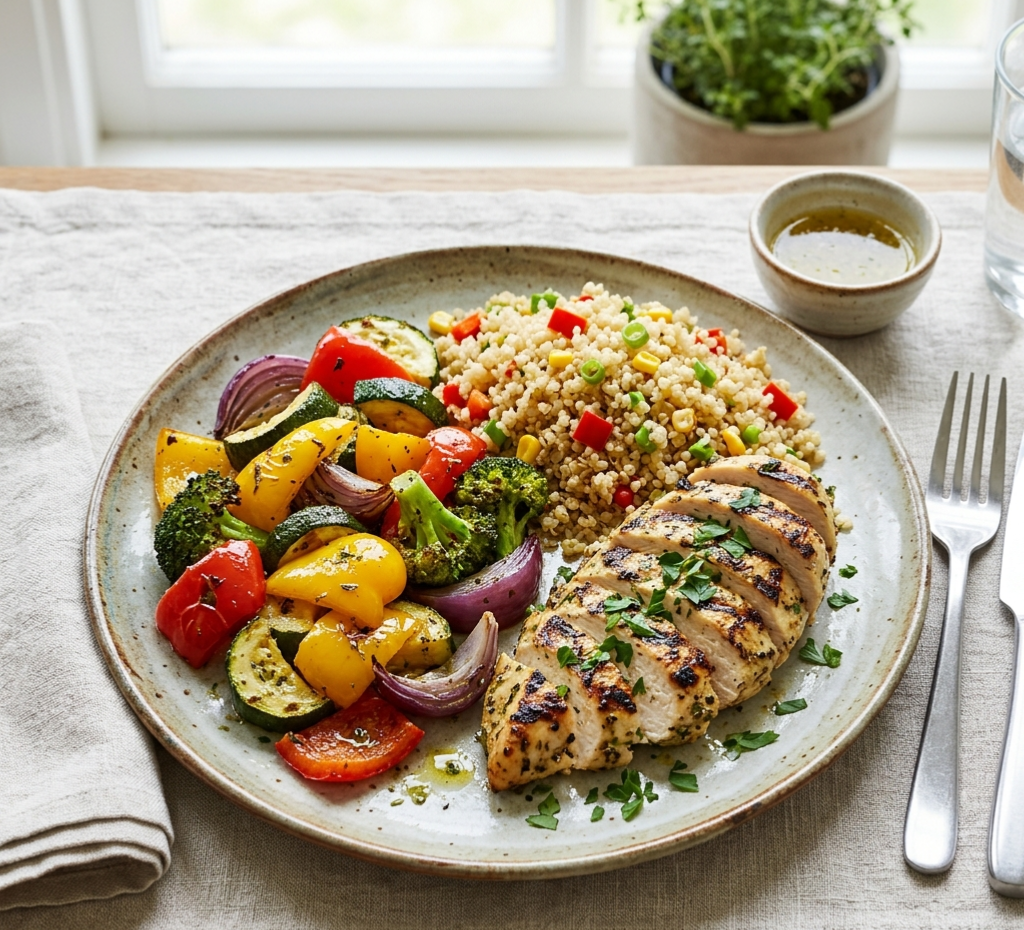
- Grilled chicken quinoa bowl with roasted vegetables
- Lentil soup with a side of whole-grain bread
- Tuna salad stuffed into bell pepper halves
Dinner Favorites:
- Sheet pan salmon with dill potatoes and asparagus
- Turkey and black bean chili topped with Greek yogurt
- Stir-fried tofu with broccoli and brown rice
These meals prove that high-protein cooking does not require complicated recipes or expensive ingredients. Instead, simple combinations of lean meats, legumes, dairy, and whole grains deliver powerful nutrition.
How Much Protein Should You Aim For Daily?
The new federal dietary guidelines released in January 2026 recommend that adults consume 1.2 to 1.6 grams of protein per kilogram of body weight. For a 150-pound person, this translates to roughly 81 to 109 grams of protein daily.
However, your individual needs depend on several factors including age, activity level, and health goals. Active individuals may require 1.4 to 2.0 grams per kilogram, while older adults should aim for at least 1.2 grams per kilogram to prevent muscle loss.
To put this into practical terms, a 150-pound person should target approximately 4 to 5 ounces of protein per meal, spread across three meals plus snacks. Because of this, planning ahead becomes essential for meeting your daily targets consistently.
Cooking Tips to Maximize Protein in Every Meal
Once you grasp why protein matters in everyday meals to cook, these kitchen strategies will help you succeed:
- Prep proteins in advance. Grill chicken breasts, hard-boil eggs, or cook a batch of lentils on Sunday. Therefore, weekday assembly becomes effortless.
- Use Greek yogurt as a substitute. Swap sour cream or mayonnaise with Greek yogurt in dips, dressings, and baked goods for an instant protein boost.
- Add protein to vegetables. Toss chickpeas into salads, sprinkle hemp seeds over roasted vegetables, or blend white beans into soups.
- Choose lean cuts. Opt for skinless poultry, fish, lean beef, and low-fat dairy to maximize protein while minimizing saturated fat.
- Experiment with tofu and tempeh. These soy-based proteins absorb flavors beautifully and work in stir-fries, curries, and grain bowls.
Additionally, remember that variety matters. The American Heart Association recommends choosing plant-based proteins like legumes and nuts regularly, along with fish twice weekly.
Common Myths About Protein in Everyday Cooking
Despite growing awareness, several myths persist about protein intake. Let us clear them up:
Myth: You need protein shakes to meet your goals.
Reality: Whole foods easily provide adequate protein. A cup of lentils delivers 18 grams, while 3 ounces of chicken offers about 26 grams.
Myth: Plant proteins are inferior to animal proteins.
Reality: While most plant proteins are incomplete individually, eating a varied diet throughout the day provides all essential amino acids.
Myth: More protein always equals better health.
Reality: Excess protein can strain kidneys and contribute to weight gain if overall calories are not managed. Therefore, balance remains key.
Understanding these facts reinforces why protein matters in everyday meals to cook, rather than relying on supplements or extreme approaches.
The Bottom Line on Why Protein Matters in Everyday Meals to Cook
Protein is far more than a fitness trend. It is the foundation of healthy aging, stable energy, effective weight management, and overall vitality. When you prioritize protein in your home cooking, you take control of your nutrition in the most delicious way possible.
To summarize why protein matters in everyday meals to cook: it keeps you full, protects your muscles, boosts your metabolism, and supports long-term health. Additionally, cooking at home allows you to choose high-quality protein sources while avoiding the excess sodium and saturated fat often found in restaurant meals.
Start small by adding one extra protein source to each meal this week. Over time, these habits will transform how you feel, look, and perform every single day.
Sources Referenced
- Harvard T.H. Chan School of Public Health. “Dietary Guidelines for Americans 2025-2030: Progress on added sugar, protein hype, saturated fat.” January 9, 2026.
- American Heart Association. “Protein: What’s Enough?” August 28, 2024.
- Healthline. “How Protein Can Help You Lose Weight Naturally.” May 29, 2024.
- Real Simple. “What Are Complete Protein Foods? (vs. Incomplete Proteins).” March 12, 2026.
- Healthline. “Vegan Complete Proteins: 13 Plant-Based Options.” February 6, 2023.
- Today. “Do You Know Protein Math? A Visual Guide to the Number of Grams in the 7 Healthiest Sources.” January 13, 2026.
- University of Arkansas Extension. “Taking protein into account with the new food pyramid.” February 16, 2026.
- Pharmacy Times. “New Federal Dietary Guidelines Emphasize Protein and Real Foods While Cutting Sugar.” January 8, 2026.
- Delish. “45 High-Protein Recipes That Are Easy, Filling, & Delicious.” January 12, 2026.
- Daviess Community Hospital. “Protein for Weight Management and Overall Health.” February 10, 2026.
- Big Mountain Foods. “The Only Healthy Eating Guide You’ll Actually Use in 2026.”
- American Institute for Cancer Research. “How to Get Enough Protein on a Plant-Based Diet.” September 12, 2023.
- Harvard Gazette. “The truth about high-protein diets.” November 25, 2025.
You May Also Like:
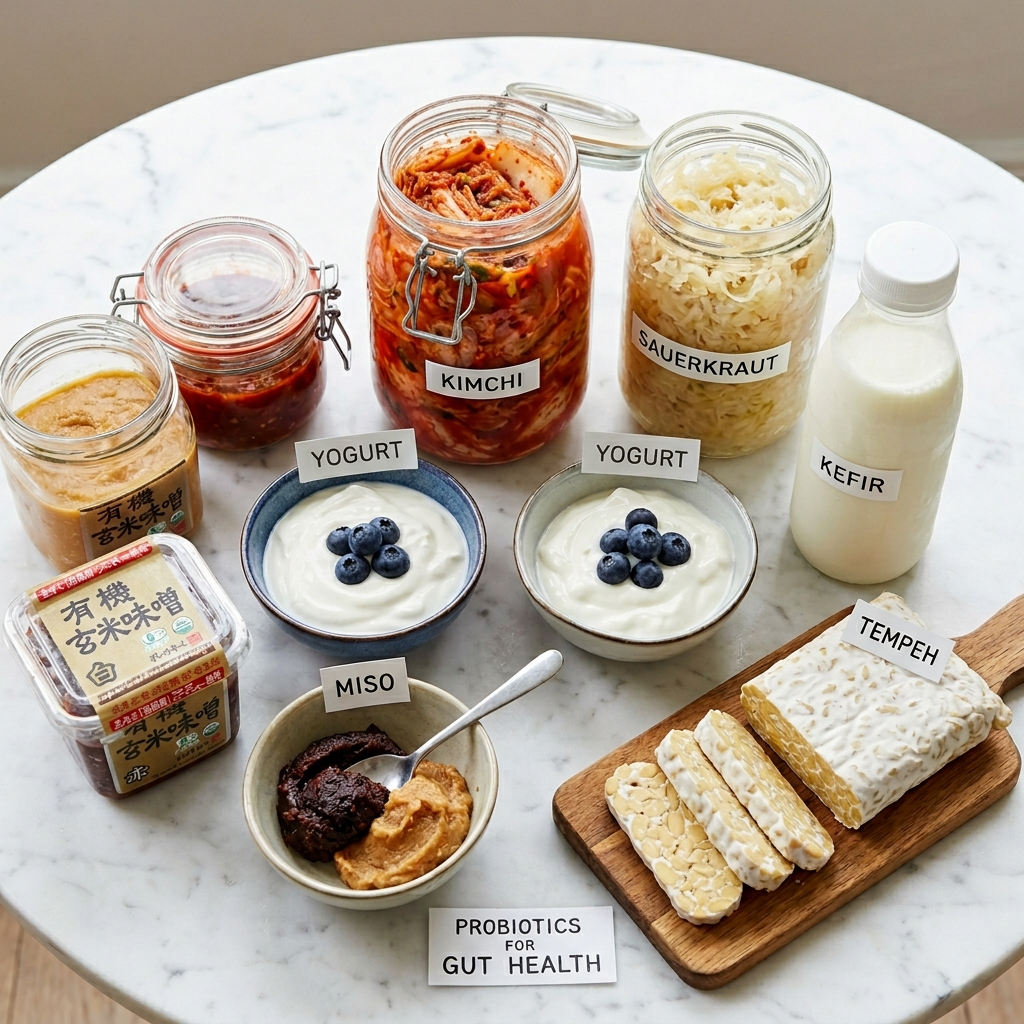
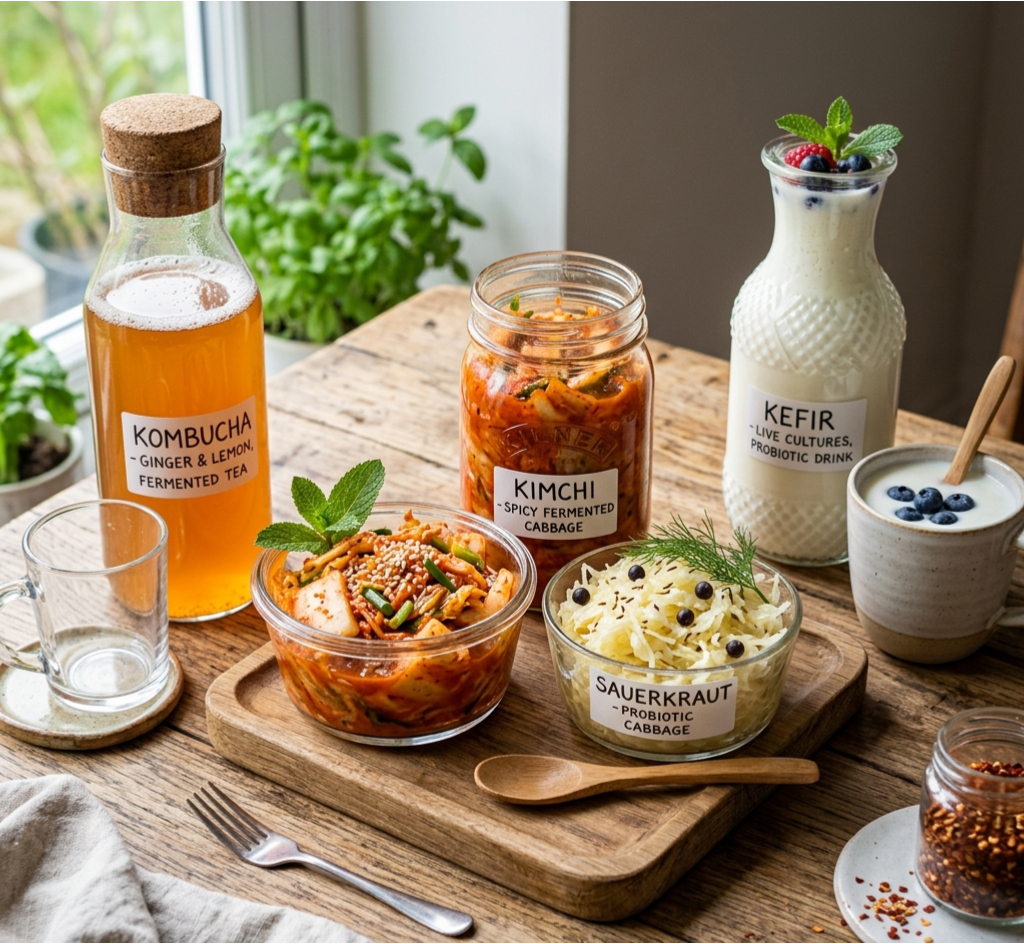
1. Fermented Foods for Gut Health: A Complete Guide
2. High Quality Probiotics: Best Strains for Gut Health
3. Best Prebiotics for Gut Health vs Probiotics
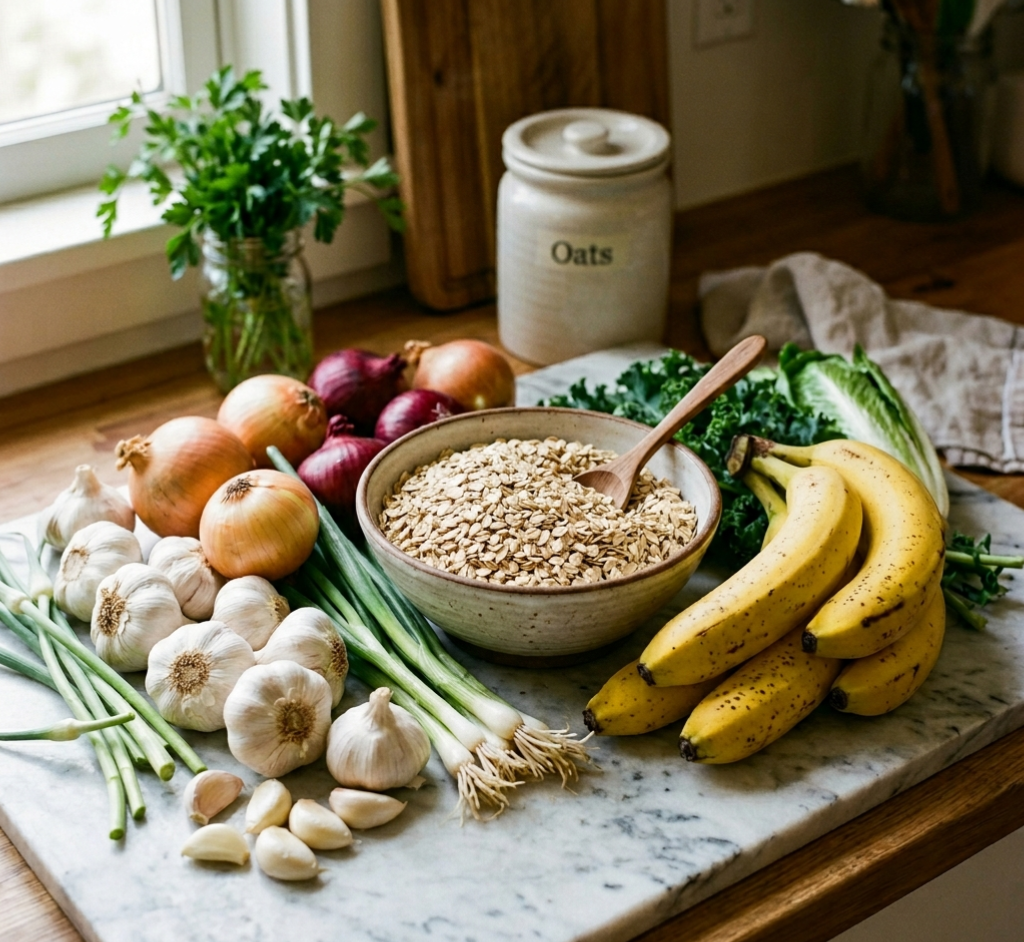
4. 15 Best Prebiotics for Gut Health in Your Kitchen

5 thoughts on “Why Protein Matters in Everyday Meals to Cook”